Russian Dwarf Hamster

Russian Dwarf Hamster Breed : Complete Guide

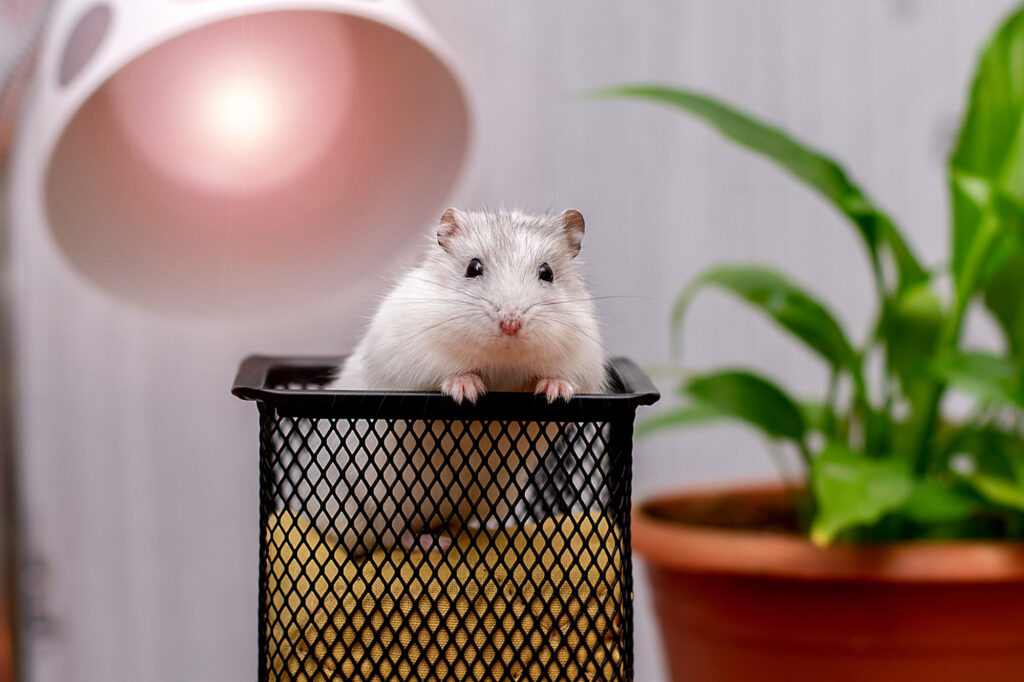
Winter white dwarf hamsters, also called Russian dwarf hamsters, are very small and friendly hamsters. As pets, they are usually gentle and like being handled, but because they are tiny and move very fast, they can be hard to hold. They are about half the size of Syrian hamsters, which are also popular pets.

Most of the year, their fur is grayish-brown. In winter, it can turn white to help them blend in with their surroundings. When kept as pets, this color change may not happen if they do not get shorter daylight hours like in winter.

Winter white dwarf hamsters are easy to care for. They need simple food and a basic cage setup. Here is what you should know.

Winter white dwarf hamsters are great pets that are easy to care for, especially for beginners. They are usually calm and friendly and are more comfortable with handling than many other hamster types, so they are less likely to bite. However, they may gently bite if they are scared or held too tightly. Because they are very small and fast, young children may find it hard to handle them safely.

These hamsters are mostly active at night, but they may also wake up and move around for short times during the day. They are usually quiet pets, but their nighttime activity can disturb light sleepers if their cage is kept near the bed.

Winter white dwarf hamsters are more social than many other hamsters. They can live in same-sex pairs or small groups if they are raised together from a young age. However, adult hamsters that do not know each other may fight, and even hamsters raised together can sometimes become aggressive as they grow older and need to be separated. They should not be kept with other household pets or other hamster species, as this can cause stress and injuries.

Size Information

Winter white dwarf hamsters are usually about 3 to 4 inches long and weigh around 1 to 2 ounces. They become fully grown at about 2 months old.

Housing

As a general rule, give your hamster the biggest cage you can afford and fit in your home. This will be the main place where your hamster exercises and stays mentally active. At minimum, the cage should be about 2 feet long, 1 foot wide, and 1 foot high. There are two common housing options: a glass or plastic aquarium with a secure, ventilated lid, or a wire cage with a plastic base. Make sure the wire gaps are small so the hamster cannot escape.

Inside the cage, include chew toys, a solid exercise wheel (not wire), and a nest where your hamster can sleep and hide. You can also add tubes and climbing items, but make sure there are no high places where the hamster could fall and get hurt.

Lifespan

Cover the bottom of the cage with 2 to 3 inches of soft bedding, such as dye-free shredded paper or aspen wood shavings. Do not use cedar or pine shavings, as they can be harmful to hamsters. Remove wet or dirty spots every day, and once a week, replace all the bedding and clean the cage with mild soap and water.

What Do Winter White Dwarf Hamsters Eat & Drink?

For your hamster’s main diet, choose a commercial hamster food made especially for dwarf hamsters. Follow the feeding instructions on the package and your vet’s advice. Hamsters like to eat small amounts throughout the day, so this food should always be available. Many owners place one day’s food in a small ceramic bowl and remove any leftover food after 24 hours before adding fresh food.

You can also give extra foods, but ask your vet which foods and how much is safe. Some good options are leafy greens, carrots, blueberries, and oats. Put fresh foods in a separate dish and remove them after a few hours so they do not spoil. It is best to feed in the evening when your hamster wakes up and is hungry.

Always give your hamster fresh, clean water. A water bottle attached to the side of the cage is best because it stays cleaner. At first, you can also place a small water dish until you are sure your hamster is using the bottle. Check the water bottle nozzle often and change the water every day.

white dwarf hamster

Common Health Problems

Some common health problems in hamsters include:

Injuries from falls, fights with cage mates, or sharp objects
Breathing infections
Wet tail (diarrhea)
Abscesses

Skin problems such as mites

Signs of illness may include loss of appetite, low energy, hiding, too much scratching or hair loss, sneezing, breathing noises, discharge from the eyes or nose, and unusual droppings. If your hamster looks sick or injured, keep it warm and quiet and contact your veterinarian right away.

Get to know more about your pets / Animals

Training

Hand-taming is the primary training most owners do with their pet hamsters. It’s important to note that some hamsters will never be comfortable with handling. It’s best to start handling hamsters when they’re young. Sit on the ground in a secure area when doing so, as even a drop from a few feet can injure such a tiny animal. Never shake or squeeze a hamster. Try holding a favorite treat as a reward for the hamster to sit in your hands.

Exercise

As long as you provide a large enough enclosure with an exercise wheel, your hamster should be able to get enough physical activity to keep it healthy and prevent issues like obesity. You can also give your hamster out-of-cage exercise via an exercise ball, in which they can safely roam around your floor in a secure area. Always monitor the hamster when it’s in the ball, and make sure you get a ball sized for a dwarf hamster.

Grooming

Hamsters are generally clean animals that are good about self-grooming. They don’t require baths or brushing. However, if they do get something stuck in their fur, you can help them get it out by gently rubbing the area with a damp cloth if they’ll allow it.

Upkeep Costs

From month to month, your primary costs for a winter white dwarf hamster will be its diet and bedding. Depending on the varieties you choose, how big your enclosure is, and how many hamsters you have, expect to pay between $20 and $40 on average. Chew sticks, nests, and other toys also need replacing periodically at a cost of around $10. Plus, make sure you budget for routine veterinary care and emergencies.

Pros & Cons of Keeping a Winter White Dwarf Hamster as a Pet

Winter white dwarf hamsters can be quite interesting and good-natured pets. They are generally a good choice for people who haven’t had hamsters before. However, their small size and quickness can make them difficult to handle for some people. And because they’re nocturnal, you might not be able to interact with them when they’re at their most active.

Purchasing or Adopting Your Winter White Dwarf Hamster

You can find winter white dwarf hamsters in pet stores, but because they are very similar to Campbell’s dwarf hamsters (more commonly found), pet stores often misidentify them. To be sure you are acquiring a winter white dwarf, get your hamster through a reputable breeder or knowledgeable rescue group. Expect to pay between $15 and $25, though this can vary based on factors such as the animal’s age.

Reproduction/Breeding

Local exotic veterinarians often can point you toward a good breeder or rescue group. Plus, many breeders belong to clubs that attend pet expos where you can learn about and even buy hamsters. Breeders often will have a wider selection of younger animals than a rescue group.

Before bringing home a hamster, make sure it appears alert and in good body condition. Its environment should be clean, and any cage mates also should appear to be in good health. Avoid bringing home mixed-sex pairs or groups; they will turn your habitat into a breeding tank, which can produce a litter every three weeks. A good breeder or rescue will be able to confirm the sex of any hamster you’re interested in.

Are dwarf hamsters friendly?
They can be if socialized properly! Dwarf hamsters are nocturnal, high energy, fast moving, and can be nippy–so without proper socialization they aren’t always known for their friendliness. With proper handling they are curious, attention seeking, and very human-centric little pets.

Is it better to have two dwarf hamsters or one?
Dwarf hamsters, unlike Syrian hamsters, can be kept as pairs and in fact prefer to be kept in pairs or groups.

How long do dwarf hamsters live as pets?
18-24 months, though sometimes as much as 3 years.

Are dwarf hamsters smart?
While not quite as intelligent as dogs, or some other pocket pets such as rats, dwarf hamsters are still considered highly intelligent with incredibly curious personalities.

Are dwarf hamsters easy to care for?
Dwarf hamsters are relatively easy to care for. Their enclosure setups have a standard set of rules to build from, their diet and enrichment toys are easy to source, they don’t require a lot of space or have a strong smell, so they can live in just about any home.

What should I not do with a dwarf hamster?
Don’t leave a dwarf hamster unattended with a small child, leave their enclosure unsecured, use cedar shavings for bedding, or provide too much fresh produce in their diet.

What do dwarf hamsters need in their cage?
Dwarf hamsters need a cage that has a thick layer of bedding inside that they can burrow into, food and water bowls, a variety of objects to chew, and an outlet for their energy such as an exercise wheel.

Do dwarf hamsters need baths?
Dwarf hamsters don’t necessarily need to be bathed and won’t generally tolerate a water bath. However, they do enjoy sand baths, and these can help keep their coats stay clean and healthy while also a fun

Share:

Scroll to Top