
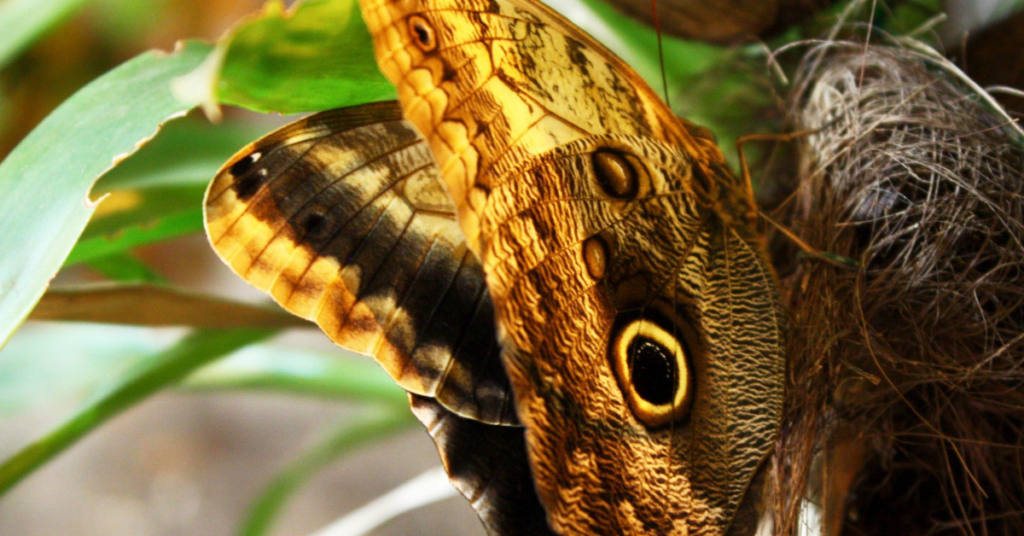
The Io Moth scientifically known as Automeris io moth is a strikingly beautiful moth that stands out for its vibrant yellow hindwings, adorned with stunning peacock-like eyespots. Native to North and Central America, this moth belongs to the Saturniidae family, also known as the giant silk moth family. Despite its delicate appearance, the Io Moth has developed some fascinating defense mechanisms that protect it from predators.
From its unique life cycle to its effective survival strategies, the Io Moth’s story is one of beauty, mystery, and nature’s brilliance.
Quick Facts about the Io Moth (Automeris io)
| Feature | Details |
| Scientific Name | Automeris io |
| Common Name | Io Moth |
| Family | Saturniidae (Giant Silk Moths) |
| Wingspan | 5–7.5 cm (2–3 inches) |
| Appearance | Males: Bright yellow with black-blue eyespots; Females: Brown with similar eyespots |
| Habitat | Meadows, woodlands, gardens, and fields across North and Central America |
| Diet (Adult) | None — adults do not feed |
| Larval Host Plants | Willow, hackberry, hibiscus, redbud, clover, and fruit trees |
| Lifespan | Egg to adult: 6–8 weeks; Adults live 1–2 weeks |
| Behavior | Nocturnal; Flashing defense when threatened |
| Conservation Status | Widespread and stable, but sensitive to pesticides |
Habitat and Distribution
The Io Moth can be found across a vast range, stretching from southern Canada to Mexico, and even into Costa Rica. It thrives in a variety of environments, including open meadows, woodlands, gardens, and fields. Its larvae depend on certain plants for food, which means that the moth’s distribution is closely linked to the presence of these host plants.
The diverse habitat range also means the Io Moth has adapted well to both rural and urban settings. However, it’s important to note that urbanization and habitat loss can pose challenges for the moth’s survival.
The Life Cycle of the Io Moth
The Io Moth follows the traditional cycle of silk moths, moving through distinct life stages, each with its own unique features:
-
Egg Stage
Female moths lay their eggs in clusters on the leaves of suitable host plants. The eggs hatch in about 10 days, giving rise to the next generation of caterpillars.
-
Larval Stage (Caterpillar)
The larvae are known for their striking appearance. They are bright green with bold red and white stripes and covered with stinging spines. These spines can cause skin irritation if touched, which serves as an effective deterrent for predators. The caterpillars spend 4–6 weeks feeding on their host plants.
-
Pupa Stage
Once fully grown, the caterpillars spin brown cocoons in the leaf litter or soil, where they remain in the pupa stage for several weeks. Depending on the climate, this stage can last through the winter months, providing the moth with a natural form of protection against cold temperatures.
-
Adult Stage
The moths emerge as adults with bright yellow wings and prominent eyespots. Interestingly, adult Io Moths do not feed, as they lack functional mouthparts. Their sole focus during their brief lifespan of 1–2 weeks is reproduction.
15 Most Beautiful Moths That Will Leave You Amazed
Unique Defense Mechanisms
Despite its delicate appearance, the Io Moth has some remarkable ways of defending itself against predators:
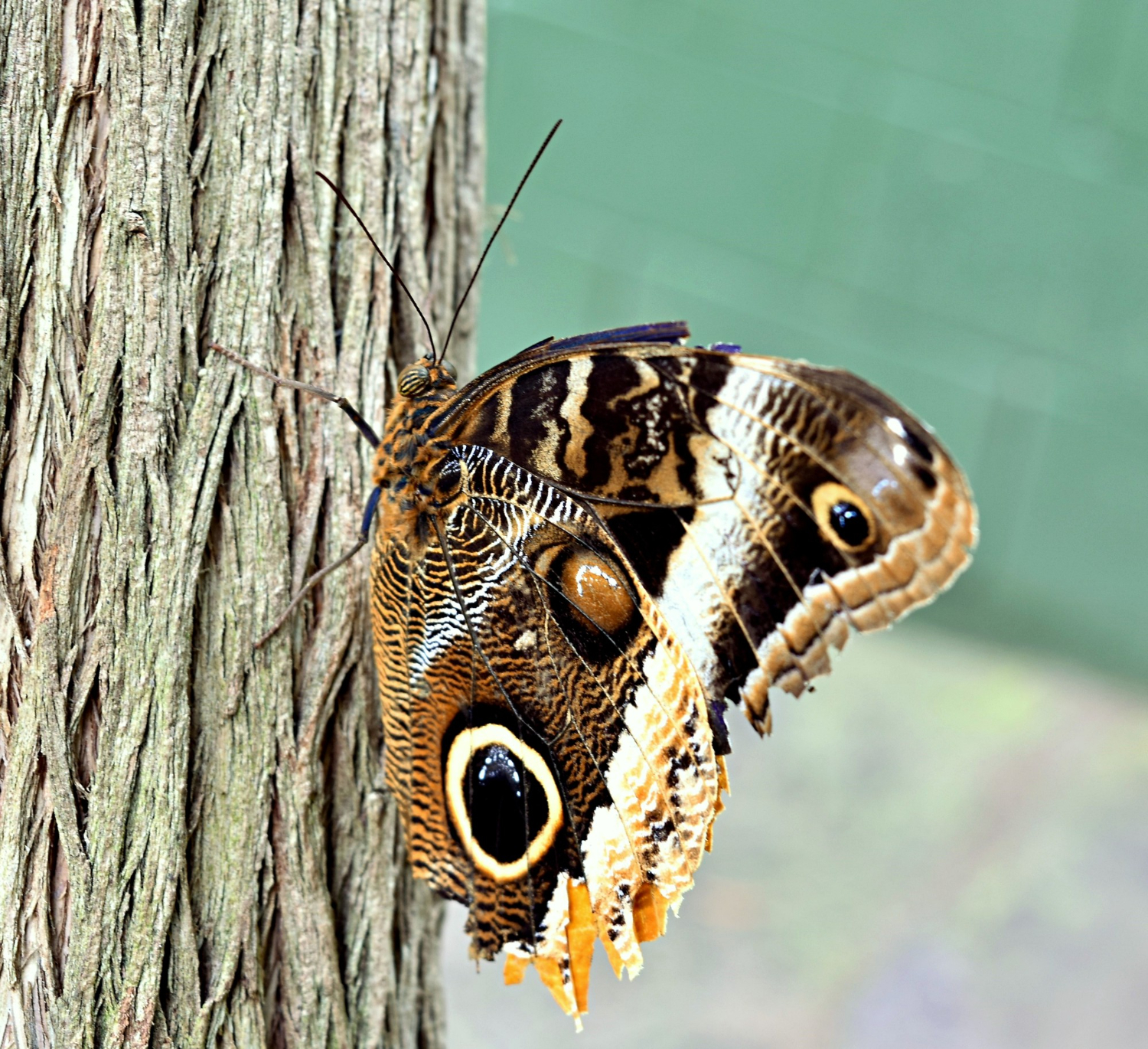
- Eyespot Display: When threatened, the Io Moth opens its wings, revealing large, vibrant blue and black eyespots on its hindwings. This sudden display startles predators and gives the moth a chance to escape.
- Caterpillar Spines: The larvae of the Io Moth are equipped with urticating (stinging) spines that can cause mild skin irritation. This serves as an additional line of defense, discouraging birds and other animals from eating the caterpillars.
These defense strategies are crucial in helping the Io Moth avoid becoming prey despite its vibrant, eye-catching appearance.
Ecological Role and Importance
Though adult Io Moths do not feed, they play a critical role in the ecosystem through their larvae. The caterpillars help recycle nutrients in the soil as they feed on plants, and in turn, they serve as food for birds and small mammals. This makes the Io Moth an important link in the food chain, maintaining balance within local ecosystems.
Additionally, the Io Moth’s larvae help control the growth of host plants, which is vital for maintaining a balanced plant population in their habitats.
Conservation and Threats
The Io Moth is not currently at risk of extinction, but it is sensitive to various environmental threats. Habitat loss, pesticide use, and the impact of outdoor lighting can disrupt its natural environment and reduce its populations.
For example, the excessive use of pesticides can destroy the moth’s host plants, which are vital for the larvae’s survival. Additionally, artificial lights can interfere with the moths’ nocturnal behavior, disrupting their mating habits.
How You Can Help Protect the Io Moth
- Plant Native Shrubs: By planting native plants, such as those that serve as host plants for the Io Moth’s larvae, you can provide food and shelter for the moths.
- Reduce Pesticide Use: Limiting the use of chemical pesticides in gardens and fields can help protect the Io Moth and other beneficial insects from harmful chemicals.
- Turn Off Outdoor Lights: Since Io Moths are nocturnal, reducing outdoor lighting can help them navigate and carry out their natural behaviors.
By taking these steps, we can help protect this stunning moth and ensure it continues to thrive in North and Central America.
Why is My Parrot Biting Me?
Frequently Asked Questions (FAQs)
Q1: Where can I find the Io Moth?
The Io Moth is found across North and Central America, from southern Canada to Mexico and Costa Rica.
Q2: Do adult Io Moths eat?
No, adult Io Moths do not feed. They lack functional mouthparts and rely on the energy stored from their caterpillar stage.
Q3: What is the purpose of the large eyespots?
The bright blue and black eyespots on the hindwings of the Io Moth are used to startle predators when threatened, helping the moth escape.
Q4: Are the caterpillars of the Io Moth dangerous?
The caterpillars have stinging spines that can cause mild skin irritation, but they are not dangerous to humans.
Q5: How long do Io Moths live?
Adult Io Moths live for about 1–2 weeks, just long enough to mate and lay eggs.


