
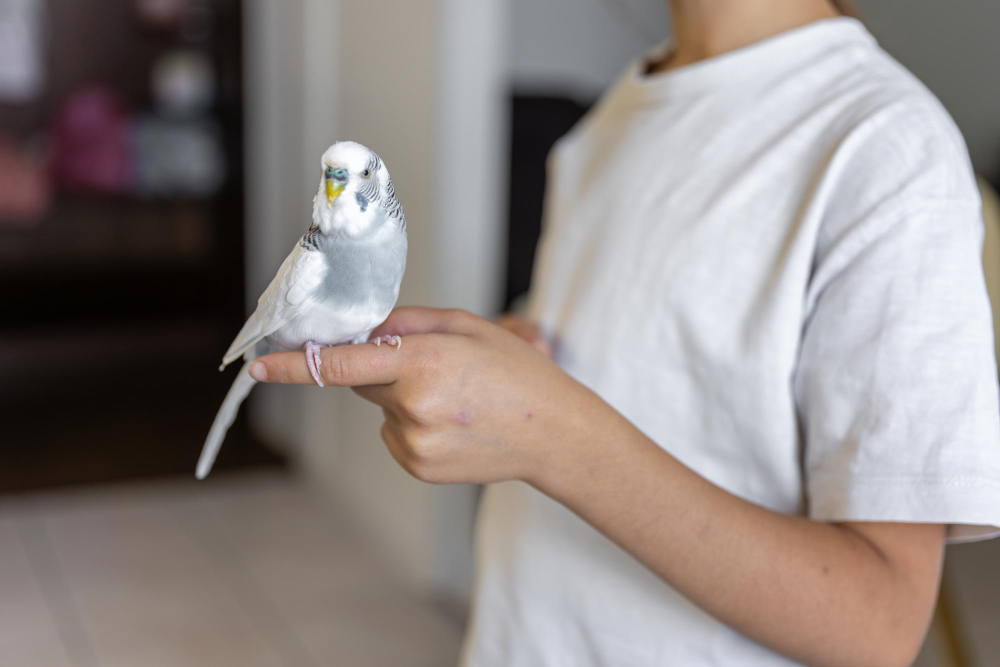
Training a pet bird to talk is one of the most rewarding experiences for any bird owner. Birds are naturally intelligent creatures with a strong ability for vocal learning. With the right approach, patience, and consistency, you can teach your bird to mimic words and even simple phrases.
Many people believe that only certain birds can talk, but the truth is that most pet birds have some level of speech ability. The key lies in understanding parrot behavior meanings, building trust, and using the right training techniques.
In this guide, you will learn how to train your pet bird to talk easily and faster using simple, proven methods that work for beginners and experienced bird owners alike.
Understanding Bird Communication and Behavior
Before starting bird speech training, it is important to understand how birds communicate. Birds do not naturally speak human language. Instead, they mimic sounds from their environment. This ability is part of their natural survival instinct.
In the wild, birds use vocal sounds to communicate with their flock. When you bring a bird into your home, you become part of its social environment. This means your bird will try to copy the sounds it hears most often, including your voice.
Bird intelligence plays a big role in how quickly your pet learns. Some birds pick up words faster due to their strong memory and attention span. However, every bird has its own learning process.
Choosing the Right Environment for Training
A calm and comfortable environment is essential for successful bird training. Birds learn best when they feel safe and relaxed.
Place your bird in a quiet area where there are fewer distractions. Avoid loud noises such as television or traffic sounds during training sessions. A peaceful environment helps your bird focus better.
Your bird’s cage should also be clean and well-maintained. A healthy bird is more active, alert, and ready to learn new skills. Good bird care routines, including proper diet and rest, support better learning.
Building a Strong Bond with Your Bird
Bonding is the foundation of all training. A bird that trusts you is more likely to respond to your voice and repeat words.
Spend time interacting with your bird daily. Talk to your bird in a gentle and friendly tone. Eye contact, soft speech, and regular interaction help build a connection.
Birds are social animals, and they enjoy companionship. When your bird sees you as part of its flock, it becomes more willing to communicate with you.
Start with Simple Words
When teaching your bird to talk, always begin with simple and clear words. Words like “hello,” “hi,” or your bird’s name are great starting points.
Repeat the same word consistently during training sessions. Speak clearly and use the same tone each time. Repetition training is one of the most effective methods for bird speech learning.
Avoid using long or complicated phrases in the beginning. Simple words are easier for birds to remember and repeat.
Use Positive Reinforcement
Positive reinforcement is a powerful training technique. Reward your bird whenever it attempts to mimic a sound or word.
Rewards can include:
- Favorite treats
- Gentle praise
- Extra attention
This method encourages your bird to repeat the behavior. Over time, your bird will associate speaking with positive experiences.
Never punish your bird for not responding. Training should always be a positive and enjoyable process. If your bird shows aggression or signs of frustration, it may be helpful to review strategies similar to those in stop parrot biting guides.
Keep Training Sessions Short and Consistent
Birds have a limited attention span, so it is important to keep training sessions short. Aim for 10 to 15 minutes per session.
Consistency is more important than long sessions. Daily training helps reinforce learning and improves memory.
Try to train your bird at the same time each day. Birds respond well to routine, and regular sessions help build strong habits.
Use Repetition and Clear Pronunciation
Repetition is the key to teaching birds words. Repeat the chosen word multiple times during each session.
Speak slowly and clearly so your bird can understand the sound pattern. Birds learn by listening carefully and copying what they hear.
Avoid changing the word or pronunciation frequently. Consistency helps your bird recognize and remember the sound more easily.
Encourage Interaction and Engagement
Training should not feel like a task. Make it interactive and engaging for your bird.
Use toys, gestures, and facial expressions to keep your bird interested. Birds enjoy playful interaction, and it keeps their mind active.
You can also talk to your bird during daily activities. For example, say “good morning” when you uncover the cage or “bye” when you leave the room.
These repeated phrases help your bird connect words with actions.
Be Patient with the Learning Process
Every bird learns at its own pace. Some birds may start mimicking words within weeks, while others may take months.
Patience is essential. Avoid expecting quick results. The bird learning process takes time and consistency.
Stay calm and positive during training. Your bird can sense your emotions, and a relaxed environment supports better learning.
Common Mistakes to Avoid
Many bird owners make simple mistakes that slow down the training process. Avoid these common errors:
- Training for too long in one session
- Using inconsistent words or tones
- Expecting immediate results
- Ignoring bonding and interaction
- Training in a noisy environment
By avoiding these mistakes, you can improve your bird’s learning speed and success rate.
Best Birds for Talking
While most birds can learn sounds, some species are naturally better at talking. These birds have strong vocal learning abilities and high intelligence.
Examples include parrots, budgies, and cockatiels. However, even birds that are not known for talking can still learn simple words with proper training.
The most important factor is not the species but the effort and consistency you put into training. Birds that thrive in well-managed environments can even show intelligence similar to wild species, much like the majestic philippine eagle facts highlight about nature’s smartest birds.
Final Thoughts
Training your pet bird to talk is a journey that requires patience, consistency, and understanding. By focusing on bird behavior, using positive reinforcement, and creating a supportive environment, you can help your bird develop strong communication skills.
Remember that every bird is unique. Celebrate small progress and enjoy the bonding experience along the way.
With time and dedication, your bird can learn to mimic words and become a lively, interactive companion.


