
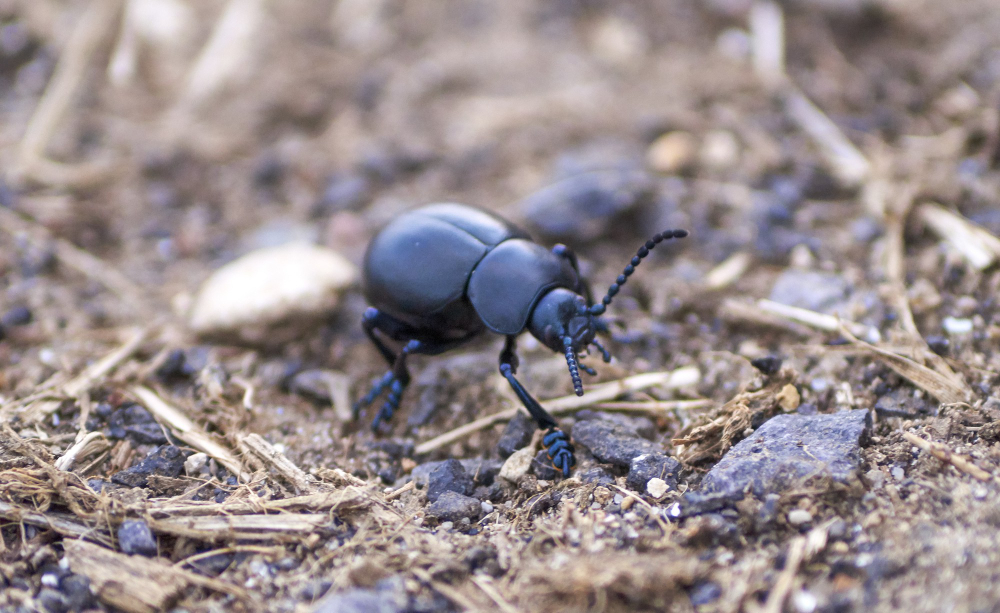
Darkling beetles are one of the easiest insects to raise at home, and they are widely used as feeder insects for reptiles, birds, and amphibians. Learning how to breed Darkling Beetles is not complicated, but it does require the right setup, stable conditions, and a basic understanding of their life cycle. Once you get the system running, the colony can sustain itself for a long time with very little effort.
Many beginners start this hobby because it is affordable, low-maintenance, and surprisingly productive. When you successfully Breed Darkling Beetles, you also create a continuous supply of mealworms, which is one of the most valuable feeder insects in the pet industry.
Table of Contents
ToggleUnderstanding the Darkling Beetle Life Cycle
Before you start breeding Darkling Beetles, it is important to understand their life cycle. These insects go through four stages:
- Egg
- Larva (mealworm)
- Pupa
- Adult beetle
Each stage plays a role in the breeding cycle.
- Eggs are laid by adult beetles inside the substrate.
- Larvae are the most active feeding stage.
- Pupae are the transformation stage.
- Adults reproduce and restart the cycle.
The full cycle usually takes a few weeks to several months, depending on temperature and food supply. A stable environment helps speed up the process. For a deeper understanding of insect transformation, you can also explore the Caterpillar Life Cycle Guide.
Setting Up the Right Breeding Container
The first step to successfully Breed Darkling Beetles is creating a proper container. You do not need expensive equipment. A simple plastic box with ventilation holes works perfectly.
Key setup requirements:
- Smooth-sided container to prevent escape
- Good airflow through small holes
- Dark environment with low light exposure
- Easy access for cleaning and feeding
A shallow and wide container works better than a tall one because beetles prefer spreading out across the surface.
Keeping the setup simple reduces stress on the colony and supports steady reproduction.
Schrenck’s Bumble Bee (Bombus schrencki) Habitat and Behavior
Choosing the Best Substrate
Substrate plays a major role when you Breed Darkling Beetles at home. The most commonly used material is wheat bran, but oat bran and crushed grains also work well.
A good substrate should:
- Hold moisture lightly without becoming wet
- Provide food for larvae
- Stay clean and dry for long periods
- Support egg laying
Maintain a depth of 5 to 8 cm so larvae have enough space to grow. Mixing small vegetable pieces occasionally improves nutrition.
Avoid wet or moldy substrate because it can damage the colony.
Ideal Temperature and Humidity
Temperature is one of the most important factors when breeding Darkling Beetles. These insects prefer warm and stable conditions.
Best temperature range:
24°C to 28°C
At this range:
- Beetles reproduce faster
- Larvae grow at a healthy rate
Lower temperatures slow down the cycle.
Humidity tips:
- Light misting only if needed
- Always ensure ventilation
- Remove wet food quickly
Stable conditions make it much easier to breed Darkling Beetles successfully.
Feeding Your Beetle Colony
Food is essential for healthy reproduction. When you breed Darkling Beetles, you must provide both dry and fresh food sources.
Dry food options:
- Oats
- Wheat bran
- Cereal grains
- Dry dog or fish food
Fresh food options:
- Carrots
- Potatoes
- Apples
- Leafy greens
Fresh vegetables also provide moisture, so they should be replaced regularly.
A well-fed colony produces more eggs and grows faster.
Understanding Beetle Reproduction
Once adult beetles mature, they begin mating and laying eggs inside the substrate naturally.
To support reproduction:
- Keep the environment warm
- Maintain clean substrate
- Provide a constant food supply
- Avoid disturbing the colony
Eggs are very small and usually invisible. After a few days or weeks, larvae emerge and begin feeding immediately.
This stage is critical when you Breed Darkling Beetles because it determines colony size.
Caring for Larvae
Larvae (mealworms) are the fastest-growing stage. When you breed Darkling Beetles, larval care becomes very important.
Larvae need:
- Constant food supply
- Dry environment
- Clean substrate
- Space to grow
As they grow, they enter the pupal stage and stop feeding. Do not disturb them during this transition.
The Pupation Stage
The pupal stage is often misunderstood.
Important points:
- Pupae do not eat
- They must remain undisturbed
- They are sensitive to pressure
- Movement should be minimal
Beginners sometimes damage pupae during cleaning. To successfully breed Darkling Beetles, handle this stage carefully.
After a short time, adult beetles emerge and restart the cycle.
Common Mistakes to Avoid
Beginners often face problems due to simple mistakes.
Common errors:
- Overwatering the substrate
- Not removing old vegetables
- No ventilation in the container
- Low temperature conditions
- Overcrowding the colony
Avoiding these ensures stable breeding success.
How to Scale Your Beetle Colony
Once stable, you can easily expand your colony.
Scaling tips:
- Separate larvae by size
- Use multiple breeding boxes
- Rotate food regularly
- Keep breeding and harvesting separate
This helps maintain continuous production when you breed Darkling Beetles.
Harvesting Mealworms Safely
One benefit of learning to breed Darkling Beetles is harvesting mealworms.
Safe collection methods:
- Sift substrate gently
- Separate larger larvae manually
- Use mesh screening
Always leave enough larvae for regeneration. Overharvesting slows production.
Conclusion
Learning how to breed Darkling Beetles is simple and highly rewarding. With the right temperature, proper substrate, clean feeding habits, and stable care routine, a small colony can grow into a self-sustaining system. These insects are low-maintenance, fast-breeding, and extremely useful as feeder insects. Once established, the colony requires very little effort to maintain.
Consistency is the key when you breed Darkling Beetles, and even beginners can succeed with basic care steps. For readers who are also interested in other insect species and their behavior patterns, you can explore Automeris Io Moth Info for more fascinating insights into moth life cycles and natural insect development.


