
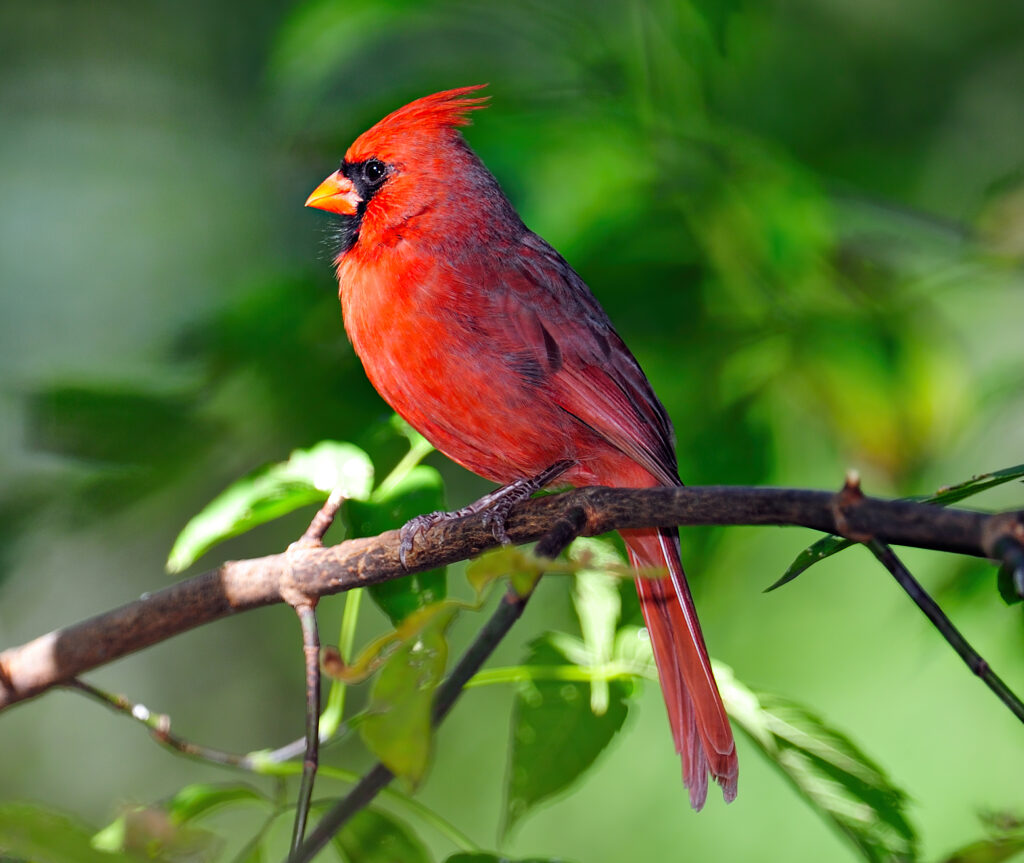
Owning a bird is a rewarding experience, but it comes with responsibility. Birds are intelligent, social, and full of personality. First-time bird owners often make simple mistakes that can affect their pet’s health, happiness, and behavior. Avoiding these mistakes ensures your feathered friend thrives in your care.
In this guide, we will discuss the top 10 mistakes new bird owners make and provide practical solutions to help you take better care of your pet bird.
1. Choosing the Wrong Bird Species
One of the most common errors beginners make is selecting a bird without understanding its needs. Not all birds require the same care. Some, like parrots, need extensive attention and social interaction, while others, such as finches or canaries, are more independent.
Selecting a bird species that does not fit your lifestyle can cause stress for both you and the bird. Conduct thorough research on a bird’s lifespan, behavior, and care requirements before bringing one home. Beginners should refer to lovebird care basics to understand smaller birds’ needs and ensure they can provide proper care.
2. Poor Diet and Nutrition
Providing the wrong diet is one of the biggest mistakes new bird owners make. Many people think seeds alone are sufficient, but birds need a balanced diet to remain healthy and energetic.
A proper bird diet includes:
- Fresh fruits and vegetables
- High-quality pellets
- Seeds as occasional treats
Neglecting proper nutrition can lead to obesity, vitamin deficiencies, weak immunity, and even behavioral problems. Learning proper bird feeding habits and following expert guides ensures your pet stays healthy and active.
3. Inadequate Cage Setup
Birds need space to move, stretch, and exercise. Keeping them in a small or poorly designed cage can cause both physical and mental stress.
A proper cage setup should include:
- Enough room for wing movement
- Perches of varying sizes
- Safe toys for enrichment
For larger parrots, using insights from the Vasa parrot guide can help you set up an ideal environment that keeps your bird safe, comfortable, and engaged. A well-designed habitat directly affects a bird’s physical and mental well-being.
4. Ignoring Social Interaction
Birds are naturally social creatures. Leaving them alone for extended periods can lead to loneliness, depression, and behavioral issues like feather plucking or excessive screaming.
Daily interaction helps your bird:
- Build trust and bond with you
- Reduce stress
- Become more responsive and friendly
If your schedule limits interaction, consider a compatible companion bird for species that thrive in pairs. Understanding the best way to bond with your bird is essential for creating a loving relationship.
5. Misunderstanding Bird Behavior
New owners often misinterpret bird behavior. Biting, screaming, or feather plucking are usually signs of stress, fear, or communication rather than aggression.
Learning to understand bird behavior allows you to:
- Recognize stress signs early
- Adjust training and interaction
- Build a stronger relationship with your pet
Observing body language, vocalizations, and daily habits is key to preventing common issues and ensuring your bird feels secure.
6. Neglecting Hygiene
Hygiene is crucial in bird care. A dirty cage can lead to infections, respiratory issues, and other health problems.
Maintain cleanliness by:
- Cleaning food and water bowls daily
- Removing waste regularly
- Disinfecting the cage weekly
Following proper bird hygiene routines reduces the risk of disease and promotes long-term wellness. Cleanliness also encourages your bird to stay active and explore its environment safely.
7. Lack of Mental Enrichment
Birds are highly intelligent and need mental stimulation to thrive. Without toys, puzzles, or engaging activities, they can become bored, anxious, or develop destructive behaviors.
Provide enrichment with:
- Interactive toys
- Puzzle feeders
- Rotating play items
- Occasional supervised out-of-cage playtime
Keeping your bird mentally active prevents negative behaviors and supports natural instincts. For parrots, consulting the Amazon parrot care tips can guide you on providing proper enrichment, diet, and interaction routines.
8. Overlooking Bird Safety
Your home may contain hidden dangers for birds. Many household items can harm your pet, sometimes without you realizing it.
Common hazards include:
- Nonstick cookware fumes
- Open windows or ceiling fans
- Electrical cords
- Toxic plants or foods
Creating a safe environment for birds ensures they stay healthy, injury-free, and stress-free. Bird-proofing your home is critical, especially for curious species prone to exploring everything.
9. Skipping Veterinary Care
Many new owners only take their birds to a vet when a serious issue arises. Birds often hide illness, making early detection difficult.
Regular veterinary checkups help:
- Prevent diseases
- Monitor overall health
- Ensure proper diet and care
Consult an avian veterinarian regularly. Early intervention can prevent long-term health issues and ensure your bird maintains optimal wellness.
10. Ignoring Routine and Consistency
Birds thrive on predictable routines. Irregular feeding, sleeping, or interaction schedules can cause anxiety, stress, and behavioral issues.
A proper daily routine should include:
- Consistent feeding times
- Regular sleep schedule
- Daily interaction and playtime
- Short, structured training sessions
Routine helps your bird feel secure and strengthens the bond you share. Consistency in care is a cornerstone of responsible bird ownership.
Additional Tips for New Bird Owners
- Observe your bird closely: Small changes in behavior, eating habits, or vocalizations may indicate health issues.
- Provide natural light: Birds benefit from exposure to sunlight or full-spectrum lighting to maintain healthy feathers and vitamin D levels.
- Rotate toys and perches: Keeping the environment stimulating prevents boredom.
- Keep a journal: Track diet, behavior, and health to detect patterns and improve care.
- Introduce gradual changes: Birds prefer stability, so introduce new foods, toys, or perches slowly.
Final Thoughts
Owning a bird is a long-term responsibility requiring patience, knowledge, and commitment. Avoiding these ten mistakes ensures your bird remains healthy, happy, and well-behaved.
Focus on proper diet, social interaction, hygiene, mental enrichment, and safety to build a strong bond with your bird. Remember, patience and consistency are key. A happy bird is a reflection of good care, attention, and love.
With effort and dedication, your bird will reward you with companionship, affection, and joy for years to come.
FAQs
1. How do I choose the right bird for my lifestyle?
Research species, their behavior, lifespan, and social needs before adopting. Some birds require more attention than others.
2. What is the best diet for a pet bird?
Include fresh fruits, vegetables, high-quality pellets, and occasional seeds. Avoid feeding only seeds.
3. How often should I clean my bird’s cage?
Daily for food and water bowls, regular waste removal, and weekly disinfecting.
4. How much social interaction do birds need?
Most birds need a few hours daily. Interaction prevents stress and behavioral issues.
5. Can birds learn tricks and talk?
Yes. Parrots, budgies, and cockatiels can learn tricks and mimic sounds with consistent training.
6. What toys are best for bird enrichment?
Interactive toys, puzzle feeders, and safe chewable items help keep birds mentally stimulated.
7. How do I know if my bird is stressed?
Signs include feather plucking, excessive screaming, lack of appetite, and unusual behavior.


