
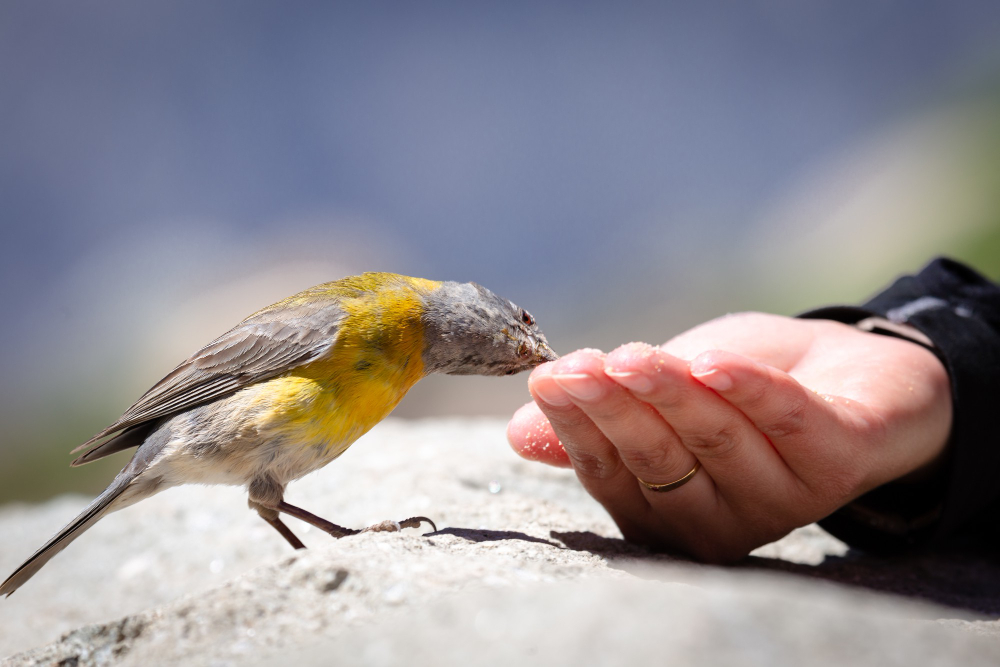
Bringing a pet bird into your home can be a joyful and rewarding experience. Birds are intelligent, social, and full of personality. They quickly become part of the family and build strong emotional bonds with their owners. However, many first time bird owners make simple mistakes that can affect their bird’s health, behavior, and overall happiness.
Understanding proper bird care from the beginning can make a huge difference. This guide explains the most common mistakes new bird owners make and how to avoid them so your feathered companion stays healthy, active, and content.
1. Choosing the Wrong Bird Species
One of the biggest mistakes beginners make is selecting a bird without proper research. Not all birds have the same needs, and each species comes with its own personality, noise level, and care requirements.
For example, parrots are highly social and need daily attention, while finches are more independent and require less interaction. Some birds can live for decades, which makes them a long term commitment.
If you are interested in learning about powerful bird species, you can explore topics like Africa’s top aerial predator to understand how different birds behave in the wild. This knowledge can help you make better decisions when choosing a pet bird.
Always research lifespan, diet, behavior, and space requirements before bringing a bird home.
2. Ignoring Proper Diet and Nutrition
A poor diet is one of the most common causes of health problems in pet birds. Many new owners rely only on seeds, which do not provide complete nutrition.
Birds need a balanced diet that includes:
- Fresh fruits and vegetables
- High quality pellets
- Seeds in limited amounts
Without proper nutrition, birds may suffer from weakness, poor feather quality, and serious illnesses. A healthy diet is the foundation of good bird care.
3. Keeping Birds in Small or Inappropriate Cages
Birds are naturally active creatures that need enough space to move and stretch their wings. Keeping them in a small cage can lead to stress and physical health issues.
A proper cage setup should include:
- Enough room for flying or hopping
- Perches of different sizes for foot health
- Toys to keep the bird mentally engaged
Your bird’s environment directly affects its well being, so always choose a cage that allows freedom and comfort.
4. Lack of Social Interaction
Birds are social animals and need daily interaction to stay happy. Leaving them alone for long periods can lead to loneliness and behavioral problems such as excessive screaming or feather plucking.
Spending time with your bird helps in:
- Building trust
- Reducing stress
- Strengthening your bond
Even a short daily interaction can make a big difference in your bird’s emotional health.
5. Not Understanding Bird Behavior
Many new bird owners misinterpret bird behavior. Actions like biting or loud vocalizing are often forms of communication, not aggression.
Birds use body language and sounds to express their feelings. Learning these signals helps you respond correctly and avoid unnecessary stress.
If you are curious about how birds behave in their natural environment, reading about hidden golden eagle facts can give you deeper insight into bird instincts and communication patterns.
Understanding behavior is key to building a strong and trusting relationship with your pet.
6. Skipping Regular Cleaning and Hygiene
Cleanliness is essential in maintaining bird health. A dirty cage can quickly become a breeding ground for bacteria and parasites.
To maintain hygiene:
- Clean food and water dishes daily
- Remove droppings regularly
- Deep clean the cage weekly
A clean environment reduces the risk of disease and keeps your bird comfortable.
7. No Mental Stimulation or Enrichment
Birds are intelligent and curious. Without proper mental stimulation, they can become bored and develop destructive habits.
You can keep your bird engaged by providing:
- Interactive toys
- Puzzle feeders
- Rotating play items
Mental enrichment is just as important as physical care. It keeps your bird active, alert, and happy.
8. Ignoring Bird Safety at Home
Your home may contain hidden dangers that can harm your bird. Many everyday items can be toxic or dangerous.
Common risks include:
- Fumes from nonstick cookware
- Open windows and ceiling fans
- Electrical cords
Creating a safe environment is essential. Even small precautions can prevent serious accidents.
Learning about powerful birds like those featured in the rainforest apex eagle guide can remind you how sensitive birds are to their surroundings, even in captivity.
9. Avoiding Veterinary Care
Many bird owners only visit a vet when their pet is visibly sick. However, birds often hide signs of illness until it becomes serious.
Regular checkups help:
- Detect health issues early
- Maintain proper weight and nutrition
- Ensure long term wellness
Always consult an avian veterinarian who understands bird health and behavior.
10. Lack of Routine and Consistency
Birds thrive on routine. Irregular feeding times, inconsistent sleep, or lack of interaction can create stress and confusion.
A healthy routine includes:
- Fixed feeding schedule
- Proper sleep cycle
- Daily playtime and interaction
Consistency helps your bird feel secure and improves overall behavior.
Additional Tips for New Bird Owners
Beyond avoiding mistakes, here are a few extra tips to improve your bird care routine:
- Provide fresh water every day
- Keep your bird in a quiet but social area of your home
- Avoid sudden changes in environment
- Observe your bird’s behavior daily
Small improvements in daily care can lead to a big difference in your bird’s health and happiness.
FAQs
1. What is the best bird for beginners?
Budgies and cockatiels are great choices for beginners because they are friendly, easy to care for, and adapt well to home environments.
2. How often should I clean my bird’s cage?
You should clean food and water bowls daily and perform a deep cleaning of the cage at least once a week.
3. Can birds live alone?
Some birds can live alone if they receive enough attention from their owner. However, many species prefer companionship.
4. What foods are dangerous for birds?
Avoid chocolate, caffeine, avocado, and salty foods as they can be toxic to birds.
5. How do I know if my bird is stressed?
Signs of stress include feather plucking, loss of appetite, aggression, and unusual silence or excessive noise.


