Yorkshire Terrier Dog

Yorkshire Terrier Dog – Tiny, Bold & Loving Guide

The Yorkshire Terrier Dog may be small in size, but this little breed makes a huge impression with their flowing coats, cheerful attitudes, and heartwarming devotion. Despite their size, these dogs are full of personality and energy, making them ideal for those looking for a small dog with a bold spirit. From their grooming needs to their social flukes, understanding the Yorkshire Terrier will help you give your pup the best life possible.

Yorkshire Terriers are alert, intelligent, and often fearless, making them excellent watchdogs despite their size. They form strong bonds with their owners and love to be involved in family life. However, their strong-willed nature can sometimes come across as determined, so early socialisation and consistent training are key to raising a well-mannered pup.

History of the Yorkshire Terrier

The Yorkshire Terrier originated in 19th-century in England. Scottish workers brought small terrier dogs to control rats in factories and mines. With time, people admired the breed’s intelligence and charm, and the Yorkie became a popular companion dog.

Yorkie Breeds and Types

The Yorkshire Terrier is a pure dog, but several Yorkie breeds and mixes have become popular, such as the Yorkipoo breed and Morkie breed. Some people mention “Teacup Yorkies,” but this is not a familiar breed and often leads to serious health concerns.

Yorkshire Terrier Size

The Yorkshire Terrier size is very small, making it ideal for apartment living. An adult Yorkie usually stands 7–8 inches tall and weighs up to 7 pounds. Despite its size, a Yorkie behaves like a much bigger dog.

Appearance and Coat

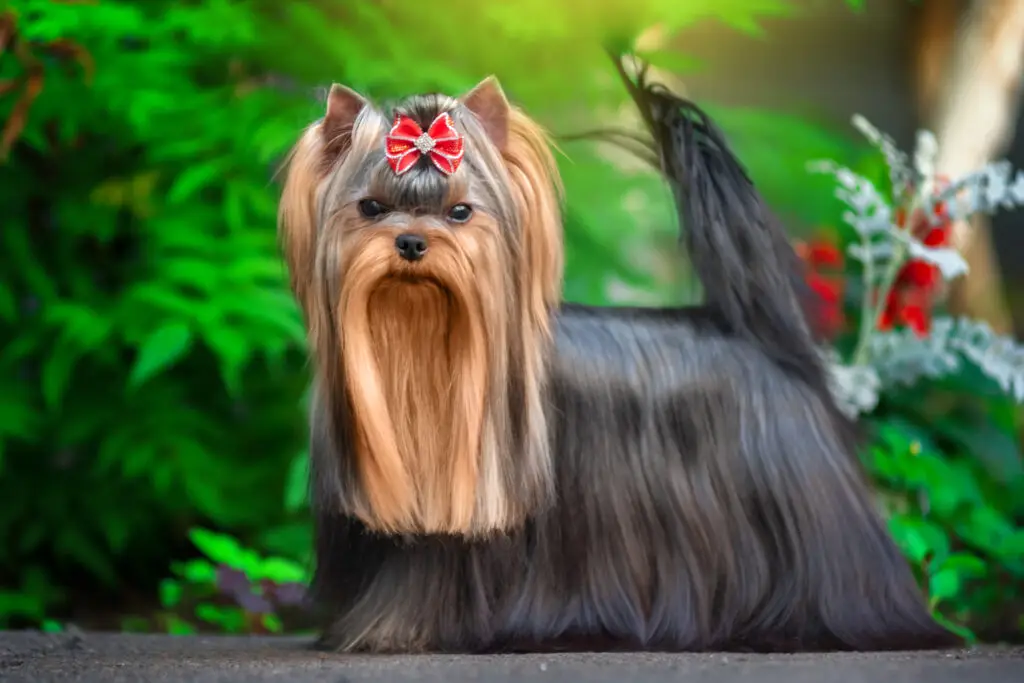
Yorkies have long, straight, silky hair that feels similar to human hair. Their traditional coloring includes steel blue on the body and golden tan on the face and legs. Most pet owners prefer a puppy cut for easier grooming.

Get to know more about your pets / Animals

Yorkshire Terrier Temperament

The Yorkshire Terrier temperament is brave, alert, and affectionate. They stay close to its owner and reacts quickly to strangers or unaware sounds. Early training helps balance stubborn or overprotective behavior.

Yorkshire Terrier

Yorkshire Terrier Dog Personality Traits

Common Yorkie traits include intelligence, curiosity, high energy, and strong attachment to owners. These dogs dislike being alone and want to be involved in everything. When ignored, they may develop anxiety.

Intelligence and Trainability

Yorkies are clever and quick learners. With positive support and constancy, they pick up tricks, commands, and routines quickly. However, their persevering streak may show from time to time, requiring a bit of patience.

Social Leanings

They bond closely with their families and may get nervous when left alone for extended periods. While they’re generally friendly, early socialisation is crucial to avoid excessive barking or distrust towards strangers.

Exercise and Activity Needs

Yorkies need light daily exercise. Short walks, indoor play, and mental toys keep their energy balanced. They do not require intense exercise, but daily activity is essential.

Training and Behavior

Yorkies are intelligent and respond well to positive training. Praise, rewards, and consistency produce the best results. Early socialization prevents excessive barking and stubborn behavior.

Grooming and Maintenance

Yorkies require regular grooming. Long coats need daily brushing, while short coats require less effort. Dental care, nail trimming, and ear cleaning are essential for their health.

Yorkshire Terrier Lifespan and Health

The average lifespan of a Yorkshire Terrier is 11 to 15 years. However, every dog’s life can vary depending on factors like genetics, diet, lifestyle, and healthcare. Feeding your pup a nutritious diet, keeping their weight in check, and regular vet visits can help them live a longer, healthier life.

Yorkies thrive on small-breed dog food that suits their age and size. Toy breeds need more calorie-dense food than larger dogs. Their food also contains special nutrients that support their health needs and long lifespan. Small-breed dog and puppy food is easier for their tiny mouths to chew and digest.

Allergies

Some Yorkies are prone to seasonal or environmental allergies caused by pollen, dust, or mold. These allergies can lead to itchy, inflamed skin. If your pup is scratching a lot, your vet can recommend medicated shampoos, over-the-counter antihistamines, or prescription treatments to relieve the discomfort.

Diabetes

Yorkies are more prone to diabetes than some other breeds. This condition affects the body’s ability to regulate blood sugar and insulin. Symptoms include increased hunger, thirst, frequent urination, and unexplained weight loss. Diabetes is serious but manageable with daily care, regular vet checkups, and proper treatment.

Eye Issues

Yorkies can develop certain eye problems, including:

  • Cataracts: A cloudy film forms over the eye, affecting vision. Surgery can usually restore sight in dogs who are suitable candidates.
  • Dry Eye (Keratoconjunctivitis Sicca): Tear glands don’t produce enough moisture, leading to itchy and irritated eyes. Signs include thick discharge and dull-looking eyes. Lifelong treatment with eye ointments may be required.

Heart Problems

Yorkies are prone to some heart issues:

  • Patent Ductus Arteriosus (PDA): A congenital heart defect where a blood vessel doesn’t close after birth. Signs include coughing, shortness of breath, fatigue during exercise, and hind limb weakness. Surgery can often fix this condition.
  • Heart Failure: Common in older Yorkies, heart failure occurs when the heart muscle weakens, causing blood and fluid to leak back. Symptoms are similar to PDA and may also include fainting. Early diagnosis and medication can help manage it for months or even years.

1. Do Yorkshire Terriers Bark a Lot?

Yorkshire Terriers tend to bark because they are naturally alert. Training, exercise, and mental stimulation significantly reduce excessive barking.

2. Do Yorkshire Terriers Shed a Lot?

No, Yorkshire Terriers shed very little. This makes them a popular choice for people with mild allergies.

3. Is a Yorkshire Terrier Dog hypoallergenic?

Yes. Their hair is more like human hair and less likely to trigger allergies.

4. Do Yorkshire Terriers bark a lot?

They’re vocal and alert. With training, barking can be controlled.

5. Is a Yorkie a High Maintenance Dog?

Yes, a Yorkie is considered a high-maintenance dog. Grooming, training, and health care require time, but the reward is unmatched love and loyalty.

6. Are Yorkshire Terriers Good House Dogs?

Yes, Yorkshire Terriers are excellent house dogs. They do not require large spaces or yards. However, they thrive on human companionship and dislike being left alone for long periods.

The Yorkshire Terrier Dog is small in size but gigantic in charm, courage, and companionship. Whether you’re a single professional or a couple seeking a loyal lap dog, the Yorkie could be the perfect pet. Their manageable size, affectionate nature, and lively spirit make them a popular choice among dog lovers worldwide.

However, they’re not low-maintenance. A Yorkshire Terrier Dog needs consistent grooming, companionship, and training. If you’re ready to commit, you’ll be rewarded with years of cuddles, loyalty, and delightful moments.

Share:

Scroll to Top