
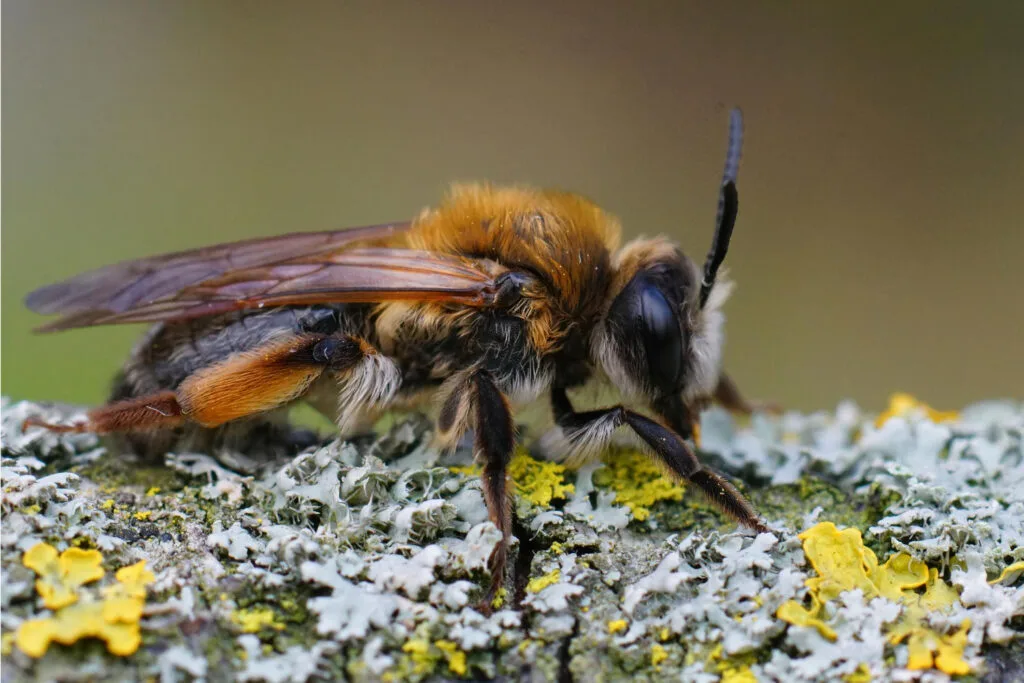
Amegilla bombiformis teddy bear, commonly known as the teddy bear bee, is a native Australian bee with a soft, fluffy body. Because of its fuzzy appearance, many people mistake it for a bumblebee. This bee is harmless, gentle, and very important for pollination in gardens and natural areas.
Key Specifications of Teddy Bear Bee (Amegilla bombiformis)
| Specification | Details |
| Scientific Name | Amegilla bombiformis |
| Common Name | Teddy Bear Bee (Amegilla bombiformis) |
| Family | Apidae |
| Size | Around 15–20 mm in length |
| Appearance | Golden-brown, furry body with blue/black bands |
| Habitat | Eastern Australia: gardens, woodlands, forests |
| Diet | Nectar and pollen from native flowering plants |
| Lifespan | Approximately 6–8 weeks |
| Nesting | Solitary ground burrows in sandy soil |
| Behaviour | Buzz pollination, daytime activity |
| Conservation Status | Not officially endangered but under pressure from habitat loss |
What Is Amegilla bombiformis?
Amegilla bombiformis is a ground-nesting bee. It does not live in hives like honeybees. Instead, each female builds her own nest in the soil. These bees usually live alone, but many nests may appear close together.
The name bombiformis means “bumblebee-shaped,” which explains its round and chubby look.
Appearance of the Teddy Bear Bee
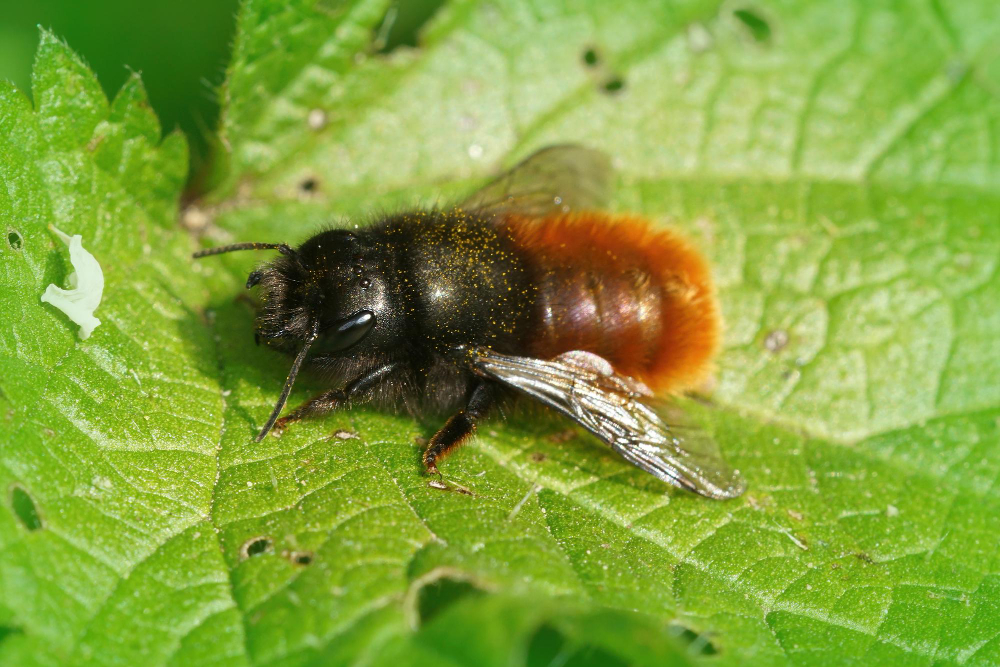
The Amegilla bombiformis teddy bear has a short, thick body covered in soft hair.
Key features:
- Size: 12–20 mm
- Body shape: round and chunky
- Color: golden, orange-brown, or light brown
- Abdomen: smooth black bands between fuzzy sections
- Wings: dark brown
Some people call it the black teddy bear bee, but this is not a separate species.
Read More: 10 Most Beautiful Bees Around the World
What Is a Black Teddy Bear Bee?
The black teddy bear bee is usually the same teddy bear bee:
- Older bees lose body hair over time
- Worn-out fur reveals the black skin underneath
This color change happens naturally and does not mean it is a different bee.
Amegilla bombiformis Uses
The Amegilla bombiformis uses are very important for the environment.
-
Pollination
This bee moves pollen from flower to flower. This helps plants:
- Grow healthy
- Produce seeds, fruits, and flowers
-
Buzz Pollination
Amegilla bombiformis uses buzz pollination:
- It grabs the flower
- It vibrates its body
- The vibration releases pollen
Many native plants depend on this method.
-
Supporting Nature
This bee:
- Protects plant diversity
- Supports gardens and farms
- Reduces pressure on honeybees
Teddy Bear Bee vs Bumblebee
Many people confuse these two bees, but they are different.
Teddy bear bee vs bumblebee:
- Teddy bear bees live alone
- Bumblebees live in colonies
- Teddy bear bees nest in soil
- Bumblebees build hives
- Teddy bear bees are native to Australia
- True bumblebees are not native to mainland Australia
Because of this, people often misidentify teddy bear bees as bumblebees.
Where Do Teddy Bear Bees Live?
Amegilla bombiformis lives mainly in:
- Queensland
- New South Wales
- Victoria
- Parts of South Australia
You can find them in gardens, parks, open land, and natural bush areas.
Nesting Behavior
This bee builds nests in soft ground.
- The tunnel goes about 10 cm deep
- The bee makes small pot-shaped chambers
- Each chamber holds one egg and food
- The food is a mix of pollen and nectar
Each female cares only for her own nest.
Does Amegilla bombiformis Sting?
- Only female bees can sting
- Male bees cannot sting
- Stings are rare and mild
- The bee stings only if threatened
This species is calm and avoids humans.
Frequently Asked Questions
Are teddy bear bees real?
Yes, teddy bear bees are real insects. They get their name from their fluffy appearance.
Is Amegilla bombiformis dangerous?
No, it is gentle and safe around people.
Is the black teddy bear bee a different species?
No, it is the same bee with worn or missing hair.
What is the main difference between teddy bear bee vs bumblebee?
Teddy bear bees live alone and nest in soil, while bumblebees live in groups and build hives.
Amegilla bombiformis teddy bear is a friendly and useful bee. The Amegilla bombiformis uses make it vital for pollination and healthy ecosystems. By protecting this bee, we help nature stay balanced
Read: Carpenter Bee Xylocopa Classification and Habitat Complete Guide


