
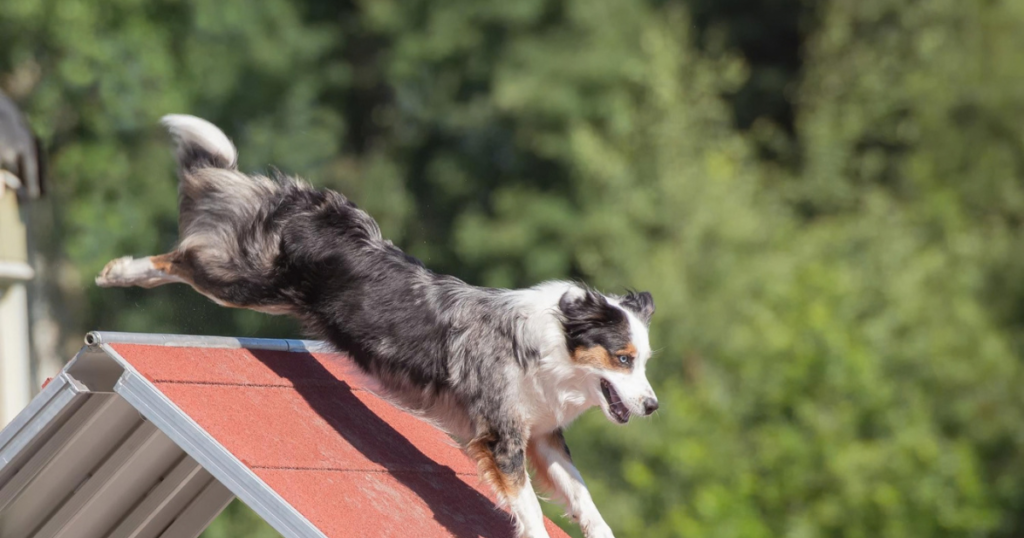
Why daily exercise is important for dogs health? Dog’s health requires a balance of proper nutrition, consistent exercise, and preventative medical care. Maintaining their physical well-being not only extends their lifespan but also prevents chronic conditions like arthritis and cardiovascular disease.
As a dog owner, you probably know that taking your dog for a walk is part of the daily routine. But regular activity is far more than a simple bathroom break. It is one of the single most critical factors in keeping your pet happy, active, and healthy.
Whether you have a high-energy puppy or an aging senior, daily exercise plays a vital role in maintaining your dog’s physical, mental, and emotional well-being.
1. Dog Physical Health Benefits:
Daily exercise helps keep every part of your dog’s body healthy. Just like people, dogs need regular movement to stay fit. Too little exercise can lead to many health problems.
-
Proper Nutrition and Weight Management:
Dog obesity is one of the most common health problems in pets today. Being overweight is not only a matter of appearance. Extra weight can affect many parts of a dog’s body and may lead to serious health problems over time. When a dog carries too much weight, it puts extra pressure on the heart, bones, and joints.
Overweight dogs may also have a higher risk of health problems such as diabetes and joint disorders. Extra weight can make it harder for dogs to move, run, play, and enjoy their normal activities. It can also make them feel tired more easily.
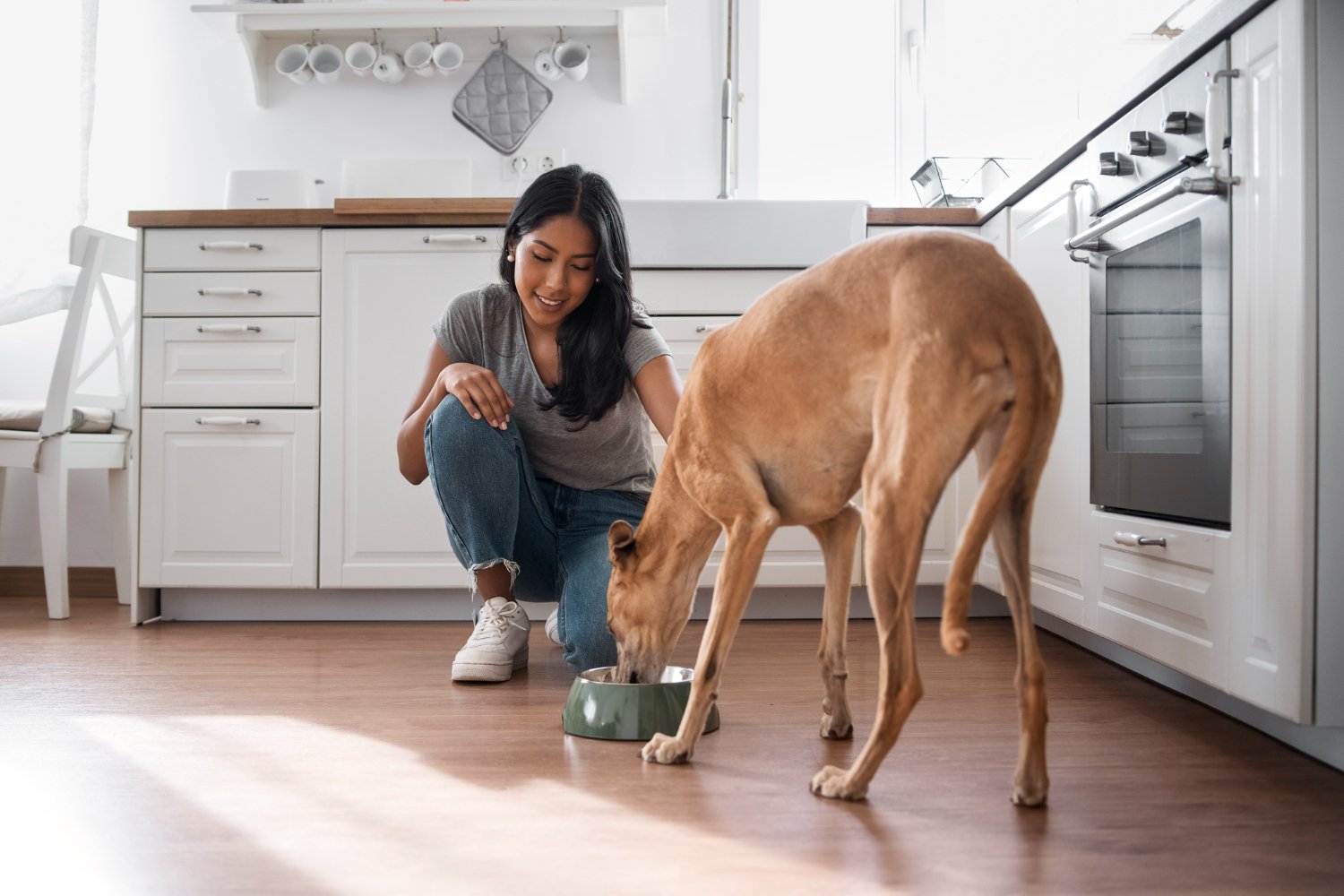
Daily exercise is an important part of helping your dog stay at a healthy weight. Activities such as walking, running, playing, or simply spending active time outdoors help dogs burn calories and stay fit. Exercise works best when combined with a balanced and healthy diet. Together, regular physical activity and good nutrition can help your dog maintain a healthy weight and support a happier, more active life.
-
How Exercise Supports Healthy Joints
Regular, controlled exercise supports a dog’s joint health by stimulating synovial fluid production for lubrication, supports the surrounding muscles that stabilize the skeleton, and maintaining an optimal body weight to minimize mechanical stress. Moving consistently ensures that a dog’s joints remain supple and structurally sound throughout their life.
-
Lubricates the Joints
Joints are lined with cartilage that lacks a direct blood supply. Movement acts like a pump, circulating synovial fluid throughout the joint capsule. This fluid delivers crucial nutrients to the cartilage, flushes out metabolic waste, and provides the lubrication needed to prevent bone-on-bone friction and premature wear.
-
Builds Supporting Muscle Structure
Strong muscles, tendons, and ligaments act like a natural brace for your dog’s skeleton. Low-impact physical activity engages major muscle groups, building the fundamental core and limb strength necessary to stabilize the joints. When the surrounding muscles are well-conditioned, they absorb the shock of movement, taking the burden and structural load off the joint surfaces themselves.
-
Helps with Weight Management
Excess body weight is one of the most damaging factors for canine mobility, as it places continuous, unnecessary mechanical stress on the hips, knees, and elbows. Daily exercise burns calories and prevents obesity. Keeping your dog lean dramatically reduces structural strain, minimizes inflammation, and lowers the long-term risk of developing degenerative diseases.
-
Exercise For Healthy Heart and Lungs
Aerobic activities such as brisk walking, running, or playing fetch are great ways to support your dog’s heart and lungs. Regular exercise strengthens the heart and helps the lungs work more efficiently. A stronger heart can pump blood around the body more effectively, delivering oxygen and important nutrients to the muscles and organs.
-
Swimming
Swimming is one of the single best cardiovascular workouts for dogs. It provides excellent aerobic conditioning for the heart and lungs while being entirely low-impact. This makes it ideal for building stamina without putting stressful weight or pressure on your dog’s joints. Just one minute of swimming offers a workout equivalent to roughly four minutes of running.
-
Intervals & Controlled Running
If your dog is an adult with fully formed bones, jogging or running is a fantastic way to develop higher lung density and stronger cardiac muscles. Instead of maintaining a monotonous, slow pace, try introducing interval training. Alternate between a brisk walk, a steady trot, and brief short sprints to dynamically challenge their respiratory system.
-
Structured Fetch and Sloped Play
Turn a simple game of fetch into a high-intensity interval training (HIIT) session. To increase resistance and force the heart and lungs to work harder, play fetch on a gentle incline or a grassy slope. The effort required to run uphill builds powerful hindquarter strength while accelerating their aerobic burn.
-
Agility Training
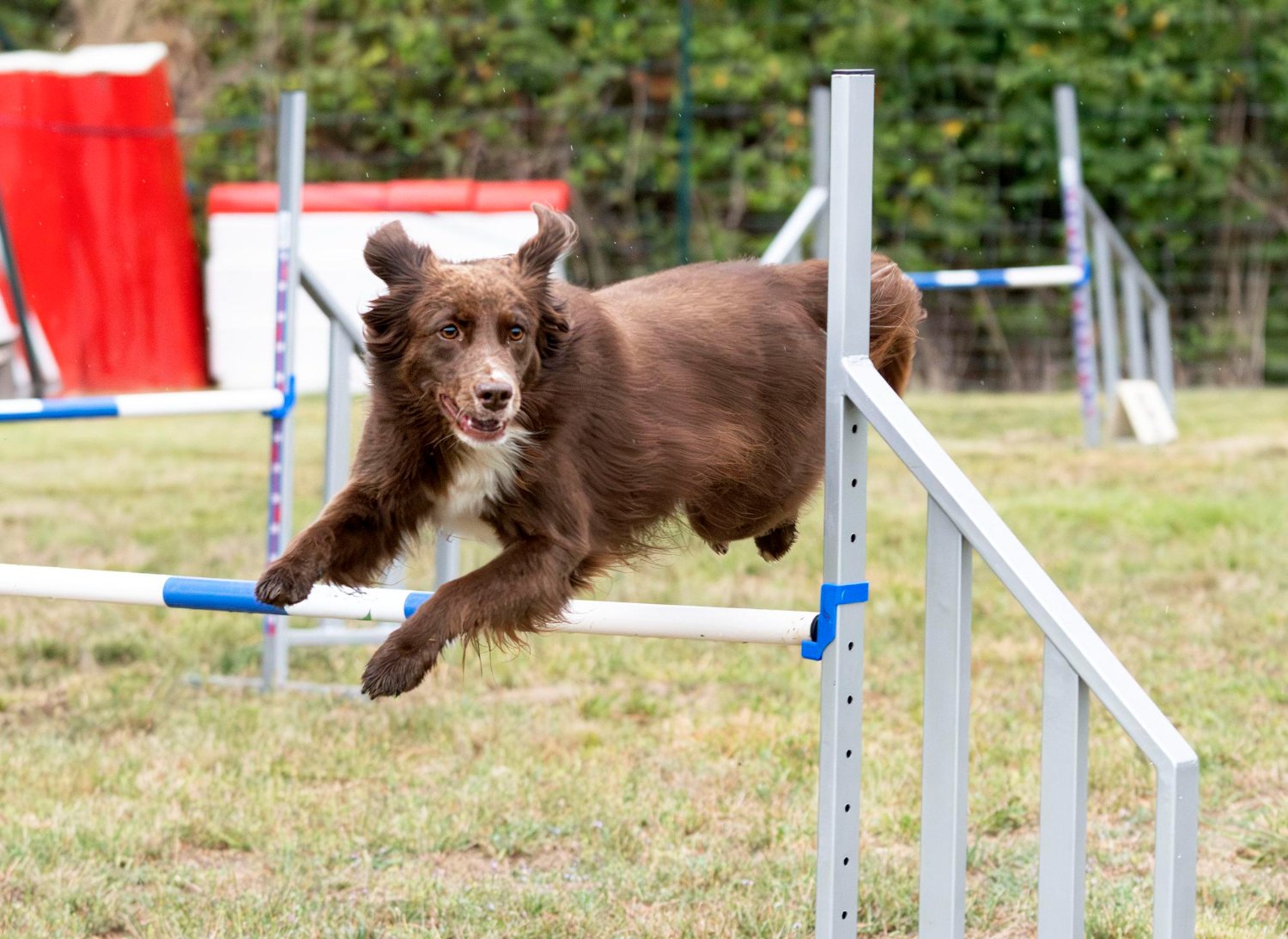
Enrolling your dog in an agility course or building a DIY setup with poles and obstacles challenges their body in multi-directional ways. The constant switching between sprinting, jumping, and weaving requires fast bursts of oxygen, acting as an effective circuit workout that dramatically builds long-term endurance.
-
Dog’s Digestive Health
Regular movement can also support your dog’s digestive health. Exercise helps the muscles in the digestive system work properly, allowing food to move through the digestive tract more easily. This can help reduce common problems such as constipation, bloating, and an upset stomach.
Physical activity can also support regular bowel movements by helping the digestive system process food more efficiently. Along with a balanced diet and enough water, regular exercise can help keep your dog’s digestive system working well and support better overall health.
2. Dog’s mental and emotional wellbeing :
While the physical benefits of exercise are easy to notice, regular activity can also make a big difference to your dog’s mental and emotional wellbeing. Many dog owners notice changes in their pet’s mood and behaviour when they get enough exercise. Dogs often become calmer, happier, and more relaxed when they have regular opportunities to move, play, and explore.
-
How Walks Supports Mental Stimulation:
Dogs experience much of the world through their sense of smell. When you take your dog for a walk, they are doing more than simply getting exercise. They are using their nose to explore and understand what is happening around them. Sniffing plants, trees, posts, paths, and other areas gives your dog new smells and information to process.
This kind of exploration provides important mental stimulation. It keeps your dog curious and gives their brain something interesting to focus on. Just like physical exercise can make the body tired, using their senses can also help your dog feel mentally satisfied and relaxed.
Allowing your dog some time to stop and sniff during walks can therefore make the experience more enjoyable and beneficial. It gives them a chance to explore their surroundings while supporting their mental wellbeing.
-
Common behaviour problems in dogs:
Many common behaviour problems in dogs, such as excessive barking, chewing furniture, digging, or constantly walking around, can be caused by boredom and too much unused energy. Dogs, especially those with high energy levels, need enough physical activity to use their energy in a healthy way.
When a dog does not get enough exercise, they may look for their own ways to stay busy. This can sometimes lead to unwanted behaviours, such as chewing shoes, damaging furniture, digging in the garden, or barking for long periods.
Daily exercise gives your dog a safe and healthy way to use their energy. Walks, playtime, running, and other suitable activities can help reduce boredom and provide mental stimulation. As a result, your dog may feel more relaxed and settled when they are at home, making everyday life more enjoyable for both you and your pet.
-
Exercise and Dog’s Emotional Wellbeing:
Exercise can have a positive effect on your dog’s mood and emotional wellbeing. Physical activity helps the body release endorphins, which are natural chemicals that can help dogs feel happier and more relaxed. This is one reason why dogs often seem calmer and more content after a good walk or play session.
Regular exercise may also help reduce stress, nervousness, and some signs of anxiety. Giving your dog enough opportunities to walk, play, explore, and move can help them release built-up energy and feel more comfortable in their surroundings.
A regular exercise routine can also support your dog’s confidence and help them respond more calmly to everyday situations. When exercise is combined with proper training, socialisation, rest, and care, it can play an important role in supporting a balanced and healthy temperament.
| Dog Category | Examples | Daily Target | Best Types of Activity |
| High-Energy / Working | Border Collies, Shepherds, Retrievers | 60–90+ minutes | Agility, long runs, fetch, hiking, lure coursing |
| Moderate-Energy / Companion | Spaniels, Terriers, Mixed Breeds | 30–60 minutes | Brisk neighborhood walks, park play, swimming |
| Brachycephalic (Flat-Faced) | Bulldogs, Pugs, French Bulldogs | 20–30 minutes | Short, low-impact walks during cool hours |
| Puppies (Growing Joints) | All breeds under 12–18 months | Multiple short sessions | Controlled play, short walks (avoid intense repetitive running) |
| Senior Dogs | Dogs age 7+ (varies by breed size) | 15–30 minutes | Frequent, short, low-impact walks; gentle swimming |
-
Safety Tips for Dogs Exercise:
-
Watch the Weather:
Dogs can overheat quickly, especially during hot or humid weather. Unlike humans, they mainly cool themselves by panting. Avoid intense exercise when temperatures are high, and choose cooler times of the day, such as early morning or evening. Before walking your dog, check the pavement with the back of your hand. If it feels too hot for your skin, it can also be too hot for your dog’s paw pads.
-
Be Careful with Puppies:
Puppies are still growing, and their bones and joints are not fully developed. Their growth plates can remain open until they reach physical maturity, which may take around 12 to 18 months depending on their size and breed. Too much high-impact exercise, such as long-distance running or repeated jumping, may put unnecessary stress on developing joints. Short, gentle play sessions and natural movement are usually more suitable for growing puppies.
-
Warm Up and Cool Down:
If you plan to take your dog running, hiking, or doing another demanding activity, give them time to prepare their body. Start with about five minutes of easy walking to gently warm up the muscles. After exercise, finish with a slower walk to help your dog cool down gradually. This can help reduce muscle stiffness and make the activity more comfortable.
3. Building a Stronger Bond with your dog :
Daily exercise is not only good for your dog’s physical and mental health. It also gives you valuable one-on-one time with your pet. Whether you are walking on a trail, playing in the garden, or spending time outdoors, you are doing something together and learning how to understand each other.
During these activities, you communicate with your dog through simple commands, body language, and cues. Your dog also learns to follow your direction and become more comfortable with you in different environments.
Dogs often feel more comfortable when they have a regular routine. Making daily exercise a normal part of their day can help build trust and create a stronger relationship between you and your pet. It can also support training by giving you regular opportunities to practise skills such as recall, walking on a lead, and responding to basic commands.
Over time, these shared experiences can strengthen the bond between you and your dog and help your pet feel more confident, secure, and connected to you.
4. Conclusion :
The importance of daily exercise for dogs is much more than a simple task. It is an important part of responsible pet care and can support your dog’s overall health. Choosing the right type and amount of exercise based on your dog’s breed, age, size, and energy level can help protect their joints, support their mental wellbeing, and reduce the risk of some health problems.
Exercise also gives your dog a chance to explore, play, learn, and spend quality time with you. Even a simple daily walk can make a positive difference to their physical and emotional wellbeing.
So, grab the leash and make time for your dog today. Take them for a walk, play their favourite game, or simply let them explore the outdoors. Don’t wait for tomorrow, start making daily exercise part of your dog’s routine today. A few minutes of movement each day can be a simple step towards giving your dog a healthier, happier, and more enjoyable life.
Frequently Asked Questions
1. Why is daily exercise important for dogs?
Daily exercise helps dogs stay physically active, maintain a healthy weight, support their muscles and joints, and get mental stimulation. It also gives them an opportunity to explore their surroundings and spend quality time with their owners.
2. What is the 7-7-7 rule for dogs?
The 7-7-7 rule is a puppy socialisation guideline that recommends exposing a young puppy to seven different items or experiences across seven key categories by seven weeks of age. The aim is to give puppies a variety of safe and positive experiences during their early development, helping them become more comfortable with different people, environments, objects, and everyday situations.
3. Does my dog need exercise every day?
Yes, most dogs benefit from some form of daily physical activity. The amount and type of exercise should depend on your dog’s age, breed, size, energy level, and physical condition. Some dogs may need longer walks or active play, while older dogs may be more comfortable with shorter, gentle activities.
4. Is exercise safe for puppies?
Puppies need exercise, but their growing bones and joints require special care. Short walks, controlled play, and natural movement are generally more suitable than long-distance running, repeated jumping, or other high-impact activities.
5. Can daily exercise strengthen the bond between a dog and its owner?
Yes. Walks, playtime, and outdoor activities give dogs and their owners opportunities to spend time together, practise commands, communicate, and build trust. A regular exercise routine can become a valuable part of the relationship.


