
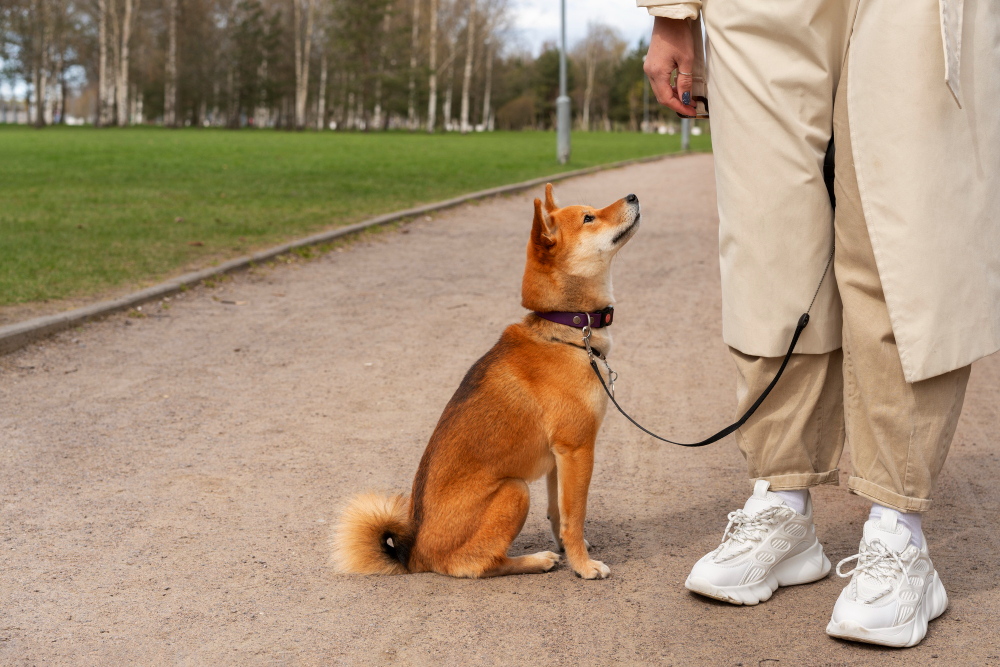
Bringing a new puppy into your home is exciting, but it also comes with responsibility. Training your puppy early is one of the most important steps you can take to ensure a happy and well behaved dog. Many new pet owners feel confused about where to start, but the truth is that puppy training becomes much easier when you follow simple and consistent methods.
In this guide, you will learn how to train a puppy step by step using practical techniques that work in real life. Whether you are dealing with house training, basic commands, or behavior issues, this guide will help you build a strong bond with your puppy.
When to Start Training a Puppy
The best time to start puppy training is as early as possible. Puppies begin learning from the moment they enter your home. Most experts recommend starting basic training at 8 weeks of age.
At this stage, your puppy is curious and open to learning new things. Early training helps shape good puppy behavior and prevents bad habits from forming later.
Understanding Puppy Behavior
Before you start training, it is important to understand how puppies think and learn. Puppies do not misbehave on purpose. They explore the world through play, chewing, and movement.
Common behaviors include:
- Biting and chewing
- Jumping on people
- Barking for attention
- Accidents inside the house
These actions are normal, but they need proper guidance. With the right dog training basics, you can teach your puppy what is acceptable.
Use Positive Reinforcement Training
One of the most effective methods for puppy obedience training is positive reinforcement. This approach focuses on rewarding good behavior instead of punishing mistakes.
You can use:
- Small treats
- Verbal praise
- Gentle petting
When your puppy follows a command or behaves well, reward them immediately. This helps them connect the action with a positive outcome.
Reward based training builds trust and makes learning enjoyable for your puppy. You can also explore some helpful dog grooming hacks to keep your puppy clean and comfortable during the training phase.
House Training Your Puppy
House training puppy routines require patience and consistency. Accidents will happen, but a clear schedule makes a big difference.
Follow these tips:
- Take your puppy outside every 2 to 3 hours
- Always go to the same spot
- Reward them after they finish
- Keep a regular feeding schedule
If your puppy has an accident indoors, clean it calmly without punishment. Over time, they will learn the correct place to go.
Teaching Basic Commands
Teaching simple commands is a key part of dog commands training. Start with easy instructions that your puppy can quickly understand.
Sit
Hold a treat above your puppy’s head and move it slightly back. As they sit, say the word sit and reward them.
Stay
Ask your puppy to sit, then hold your hand up and say stay. Take a small step back and reward them if they remain in place.
Come
Call your puppy in a happy tone and reward them when they come to you.
Keep training sessions short, around 5 to 10 minutes, to match your puppy’s attention span.
Crate Training Your Puppy
Crate training puppy habits can help with house training and provide a safe space for your pet. A crate should feel like a comfortable and secure place, not a punishment.
Tips for crate training:
- Choose the right size crate
- Add soft bedding
- Introduce the crate slowly
- Never force your puppy inside
With time, your puppy will see the crate as their personal space.
Leash Training Basics
Leash training dog behavior is essential for safe walks. Start training indoors where there are fewer distractions.
Steps to follow:
- Let your puppy get used to wearing a collar
- Attach the leash and allow free movement
- Guide them gently while walking
- Reward calm walking behavior
Avoid pulling the leash harshly. Gentle guidance works better for long term results.
Puppy Socialization
Puppy socialization is an important part of training. It helps your puppy become comfortable around people, other dogs, and new environments.
Expose your puppy to:
- Different sounds
- New places
- Friendly people
- Other vaccinated dogs
Early socialization reduces fear and aggression later in life. If you own a specific breed, following a proper schnauzer care routine or breed focused approach can make training even more effective.
How to Stop Puppy Biting
Puppy biting is a common issue, especially during teething. Instead of punishing your puppy, redirect their behavior.
Try this:
- Offer chew toys instead of hands
- Stop play if biting continues
- Use a firm but calm voice
Consistency is important. Your puppy will learn that biting is not acceptable.
Create a Training Schedule
A consistent training schedule helps your puppy learn faster. Puppies respond well to routine.
Daily routine should include:
- Feeding at the same time
- Regular potty breaks
- Short training sessions
- Play and rest time
Training a new puppy becomes easier when your day follows a clear structure.
Common Puppy Training Mistakes
Many beginners make small mistakes that slow down progress. Being aware of these can improve your results.
Avoid:
- Inconsistent commands
- Punishing instead of guiding
- Skipping training days
- Expecting quick results
Puppy development takes time. Stay patient and consistent.
Tips for Successful Puppy Training
Here are some practical tips to make your training journey smoother:
- Keep sessions short and positive
- Use simple and clear commands
- Be consistent with rules
- Reward good behavior immediately
- Stay calm and patient
Training is not just about teaching commands. It is about building trust and communication with your puppy. You can also follow expert schnauzer grooming tips or similar breed care advice to maintain your puppy’s overall health alongside training.
Final Thoughts
Training your puppy is one of the most rewarding experiences for any pet owner. With the right approach, you can guide your puppy to become a well behaved and confident dog.
Focus on positive reinforcement, stay consistent, and understand your puppy’s needs. Every small step you take today will shape your dog’s future behavior.
Remember, patience and love are the foundation of successful puppy training.
Faqs
1. How long does it take to train a puppy?
Puppy training usually takes a few weeks for basic commands, but full training can take several months. Consistency, patience, and daily practice play a big role in how quickly your puppy learns.
2. What is the best age to start training a puppy?
The best time to start training is around 8 weeks of age. Puppies are more receptive to learning at this stage, making it easier to build good habits early.
3. How do I potty train my puppy fast?
To potty train your puppy faster, take them outside regularly, especially after meals and naps. Reward them immediately after they go outside and maintain a consistent routine every day.


