
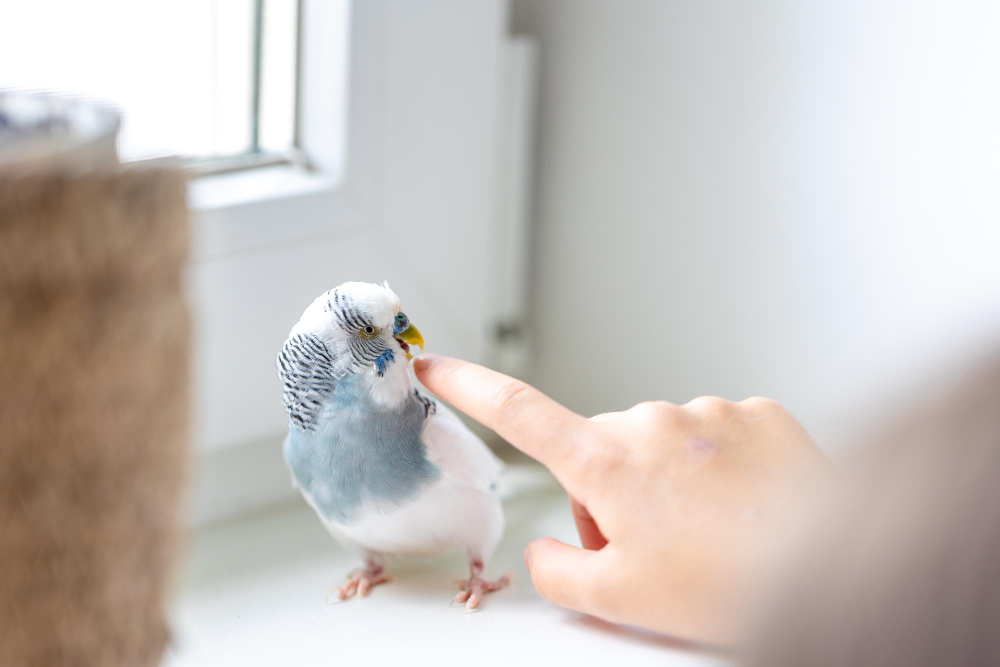
Lovebirds are small, colorful, and full of personality, but their bites can catch you off guard. A sudden nip may feel frustrating, especially when you are trying to build a bond with your bird. The good news is that biting is not random behavior. It is a form of communication, and once you understand the reason behind it, things start to improve.
This guide walks you through practical and gentle ways to handle biting without damaging your relationship with your lovebird.
Understanding Why Lovebirds Bite
Before trying to correct the behavior, it helps to know what triggers it. Lovebirds do not bite to be mean. They react to situations based on instinct, fear, or confusion.
Common reasons include:
- Feeling scared or threatened
- Protecting their cage or territory
- Lack of trust with their owner
- Hormonal changes during breeding season
- Overstimulation during play
Many of these triggers are linked to common bird care mistakes, especially when new owners are still learning how to read their pet’s needs.
A lovebird that bites is usually trying to say something. Paying attention to body language can prevent many bites before they happen.
Recognizing Warning Signs Early
Birds rarely bite without giving signals first. Learning these signs helps you respond in time.
Look for:
- Fluffed feathers with a stiff posture
- Rapid head movements
- Lunging forward
- Loud or sharp vocal sounds
When you notice these signs, avoid pushing interaction. Giving your bird space shows respect and builds trust over time.
Build Trust Before Training
Trust is the foundation of any bird training. Without it, even the best techniques will fail.
Start with simple actions:
- Sit near the cage and talk softly
- Offer treats through the bars
- Move slowly around your bird
Consistency matters more than speed. A calm and predictable routine helps your lovebird feel safe.
If you plan to move forward into easy bird talking training, building this trust first makes the learning process much smoother and more effective.
Use Positive Reinforcement
Punishment does not work with birds. It increases fear and can lead to more biting.
Instead, reward good behavior.
Examples include:
- Giving a favorite treat when your bird stays calm
- Praising gently when it steps onto your hand
- Offering attention when it behaves well
Your lovebird will begin to associate calm behavior with positive outcomes.
Train Step by Step
Training should feel natural, not forced. Short sessions work better than long ones.
Step 1: Start With Hand Presence
Place your hand near the cage without touching the bird. Let it observe without pressure.
Step 2: Introduce Gentle Interaction
Slowly move your hand closer over time. Stop if your bird shows discomfort.
Step 3: Encourage Step-Up Behavior
Use a finger or perch and gently guide your bird to step up. Reward immediately.
Step 4: Repeat Daily
Consistency builds confidence. Keep sessions short and positive.
Avoid Common Mistakes
Many new bird owners unknowingly reinforce biting behavior.
Here are mistakes to watch out for:
- Pulling your hand away quickly after a bite
- Yelling or reacting loudly
- Forcing interaction when the bird is not ready
- Ignoring body language
These habits often fall under beginner bird owner errors, and correcting them early can make a big difference in your bird’s behavior.
A strong reaction can teach your lovebird that biting gets attention. Staying calm removes that reward.
Manage Environment and Stress
A stressed bird is more likely to bite. Creating a comfortable environment reduces triggers.
Focus on:
- Proper cage size and setup
- Regular feeding schedule
- Enough sleep each night
- Quiet surroundings
Simple changes in daily care can lead to noticeable improvements in behavior.
Socialization Matters
Lovebirds are social by nature. Lack of interaction can lead to frustration and aggression.
Spend quality time daily:
- Talk to your bird
- Let it explore outside the cage safely
- Provide toys for mental stimulation
A well-engaged bird feels less need to bite.
Stay Calm During a Bite
Even with training, occasional bites may happen. Your reaction matters more than the bite itself.
When it happens:
- Stay still and avoid sudden movements
- Do not shout or punish
- Gently move your bird away
This teaches your lovebird that biting does not produce dramatic results.
Be Patient With Progress
Training a lovebird takes time. Some birds adjust quickly, while others need weeks or months.
Focus on small improvements:
- Fewer aggressive reactions
- More relaxed body language
- Increased willingness to interact
Patience strengthens your bond and leads to long-term success.
Creating a Strong Bond
A lovebird that trusts you rarely feels the need to bite. Building that bond requires consistency, kindness, and understanding.
Daily habits that help include:
- Gentle communication
- Respecting boundaries
- Offering rewards for good behavior
Over time, your bird will see you as a safe companion rather than a threat.
Building Daily Connection With Your Lovebird
Spending time with your lovebird every day makes a real difference in its behavior. Birds remember how you treat them, even in small moments. When you talk softly, offer food gently, or simply sit near their cage without forcing interaction, your bird slowly starts to see you as part of its safe space. Over time, this daily connection reduces fear and makes biting less frequent because your lovebird learns that you are not a threat but a companion it can trust.
FAQs
1. Why does my lovebird keep biting me?
Your lovebird may bite due to fear, stress, territorial behavior, or lack of trust. Understanding triggers helps reduce biting over time.
2. How long does it take to stop lovebird biting?
It depends on the bird’s personality. Some improve in a few weeks, while others take longer with consistent training.
3.Can I punish my lovebird for biting?
No, punishment increases fear and worsens behavior. Positive reinforcement works much better.
4.What should I do immediately after a bite?
Stay calm, avoid reacting strongly, and gently remove your hand. This prevents reinforcing the behavior.
5. How can I build trust with my lovebird faster?
Spend daily time near your bird, speak softly, and offer treats to create positive association.
Conclusion
Learning how to stop lovebird biting is not about control. It is about understanding your bird and responding in a way that builds trust. Every bite has a reason, and when you address that reason calmly, the behavior begins to fade.
A patient approach, combined with proper training and care, creates a peaceful relationship where both you and your lovebird feel comfortable.


