
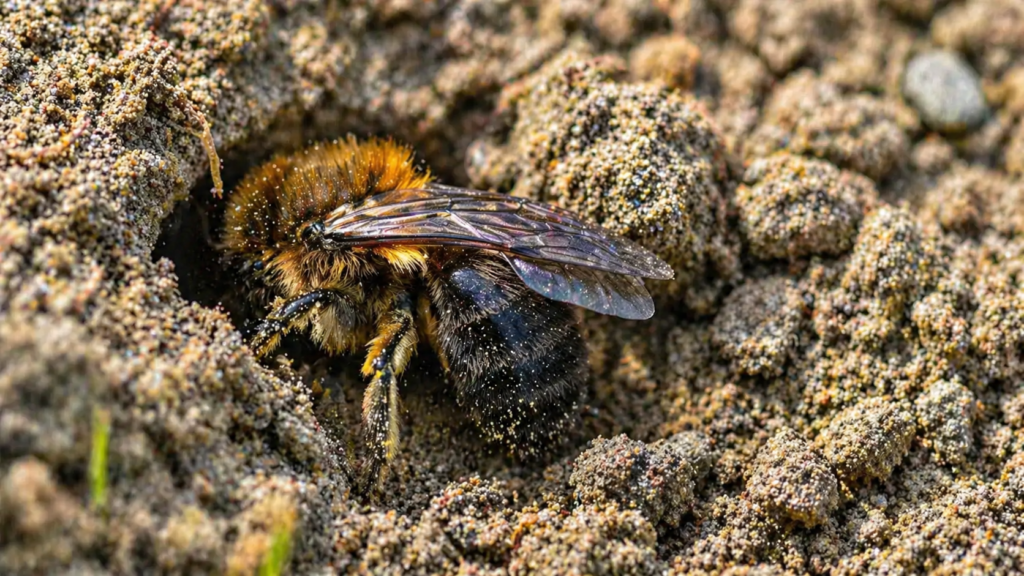
A quiet cemetery in New York recently became the center of global attention after an unexpected discovery. Experts revealed that a massive underground colony exists beneath the land, changing how people view both urban spaces and nature. The headline 5.5 Million Bees Found Beneath New York Cemetery sounds surprising, but it also highlights how little we truly understand about the natural world around us.
A Discovery That Surprised Everyone
Researchers did not expect to find such a large number of bees living beneath a cemetery. What started as a routine inspection quickly turned into a remarkable finding. Scientists noticed unusual soil activity, which led them to investigate further. After careful observation, they confirmed the presence of a huge underground hive.
This discovery shows how wildlife continues to adapt even in areas dominated by human activity. Cemeteries often provide quiet, undisturbed spaces, making them ideal for certain species to settle and grow. Similar surprising insect behavior can also be seen in species discussed in our colorful tiger moth guide, where adaptation plays a key role in survival.
Why Bees Choose Underground Spaces
Not all bees live in trees or artificial hives. Some species prefer soil as their home. These bees create tunnels and chambers underground where they build colonies and protect their queen.
Underground habitats offer several advantages:
- Protection from predators
- Stable temperature conditions
- Less human disturbance
- Natural insulation against weather
In this case, the cemetery provided the perfect environment. The soil remained undisturbed for long periods, allowing the colony to grow over time. Insects like those featured in death’s head hawkmoth facts also show how species adapt in unique and unexpected environments.
The Role of Bees in Our Ecosystem
The story of 5.5 Million Bees Found Beneath New York Cemetery is not just about a surprising number. It is also a reminder of how important bees are to life on Earth.
Bees play a key role in pollination. Without them, many plants would struggle to reproduce. This directly affects food production and biodiversity.
Here is why bees matter:
- They help grow fruits and vegetables
- They support plant reproduction
- They maintain ecosystem balance
- They contribute to biodiversity
A large colony like this one shows how nature continues to support itself even in unexpected places. You can also explore similar ecological importance in species covered in the oleander hawk moth overview.
How Could Such a Large Colony Exist?
A colony of this size does not appear overnight. It takes years of growth and stability. The presence of a queen bee, along with thousands of worker bees, allows the population to expand steadily.
Experts believe the colony may have developed over several seasons. Each year, new bees join the colony, increasing its size. With no major disturbances, the population continues to grow.
This explains how 5.5 Million Bees Found Beneath New York Cemetery became possible.
Are These Bees Dangerous?
One of the first concerns people have is safety. While the number may sound alarming, bees are generally not aggressive unless they feel threatened.
In most cases:
- Bees avoid human interaction
- They sting only in defense
- They focus on collecting nectar and pollen
Authorities usually monitor such colonies to ensure public safety. In many situations, experts prefer relocation rather than destruction, as bees are essential to the environment.
What This Means for Urban Wildlife
This discovery highlights a bigger picture. Urban areas are not completely separate from nature. Wildlife continues to find ways to survive and even thrive in cities.
The presence of such a large colony suggests that:
- Urban ecosystems are more complex than we think
- Wildlife adapts to human environments
- Green spaces play a crucial role in biodiversity
The story of 5.5 Million Bees Found Beneath New York Cemetery encourages people to look more closely at their surroundings.
Scientific Interest and Research
Scientists are highly interested in studying this colony. It offers valuable insights into bee behavior, population growth, and habitat selection.
Research can help answer questions like:
- How do bees organize such large colonies underground
- What factors support their survival
- How does climate affect their behavior
Findings from this case may improve conservation strategies and help protect bee populations worldwide.
The Importance of Bee Conservation
Bee populations in many parts of the world are declining due to habitat loss, pesticides, and climate change. Discoveries like this bring hope but also highlight the need for protection.
Simple steps can help support bees:
- Plant flowers that attract pollinators
- Avoid harmful pesticides
- Support local conservation efforts
- Create small green spaces
Even small actions can make a big difference.
Public Reaction to the Discovery
The news of 5.5 Million Bees Found Beneath New York Cemetery quickly spread online. People expressed a mix of curiosity, concern, and fascination.
Some were amazed by the scale of the colony, while others became more interested in learning about bees and their role in nature. Stories like this often inspire awareness and encourage people to think differently about wildlife.
A Reminder from Nature
This discovery serves as a reminder that nature does not disappear in cities. It adapts, survives, and sometimes surprises us in the most unexpected ways.
The presence of millions of bees beneath a cemetery shows that even quiet places can hold incredible secrets. It also encourages respect for the natural world and the creatures that support life on Earth.
Conclusion
The story of 5.5 Million Bees Found Beneath New York Cemetery is more than just an unusual headline. It highlights the resilience of nature and the importance of protecting it.
Bees continue to play a vital role in our ecosystem, and discoveries like this remind us to pay attention to the environment around us. Whether in cities or rural areas, nature always finds a way to exist and grow.
Frequently Asked Questions
1. How were 5.5 million bees found beneath the cemetery?
Experts discovered unusual ground activity during a routine inspection. After studying the area, they confirmed a massive underground bee colony living beneath the cemetery soil.
2. Is it common for bees to live underground?
Yes, some bee species naturally build their nests in the soil. These ground-nesting bees create tunnels and chambers where they live and grow their colonies safely.
3. Are underground bee colonies dangerous to humans?
In most cases, they are not dangerous. Bees usually avoid humans and only sting when they feel threatened. If left undisturbed, they rarely cause problems.
4. Why did bees choose a cemetery as their habitat?
Cemeteries often provide quiet, undisturbed environments with stable soil conditions. This makes them ideal for bees to build and maintain large colonies over time.
5. What does this discovery mean for the environment?
The discovery highlights the importance of bees in maintaining ecosystem balance. It also shows how wildlife can adapt to urban areas and why conservation efforts are important.


