
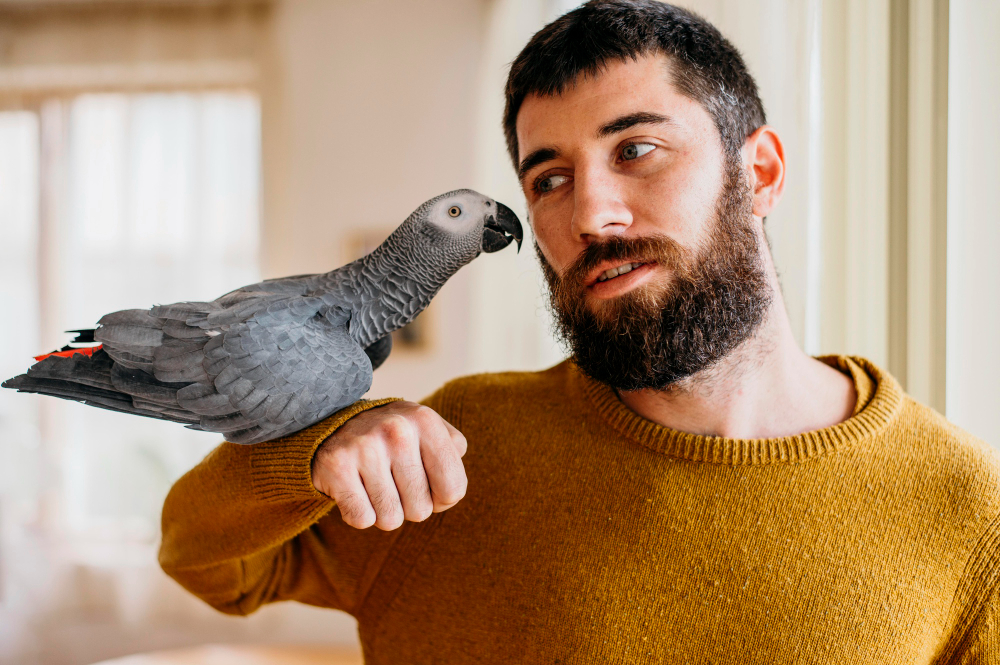
Training a parrot may seem challenging at first, but with patience and the right approach, it becomes a rewarding experience. Many bird owners struggle with getting their parrots comfortable with stepping onto their hand. The good news is that this skill can be taught easily when you understand your bird’s behavior and build trust gradually.
This guide explains Easy Steps to Train a Parrot in a simple and practical way so you can create a strong bond with your pet.
Understanding Your Parrot’s Behavior
Before starting any training, it helps to observe your parrot closely. Birds communicate through body language. A relaxed parrot may fluff its feathers slightly or stay calm around you, while a scared bird may move away or try to bite. Learning more about parrot behavior explained in detail can give you deeper insight into these signals.
Training becomes much easier when your parrot feels safe. Avoid rushing the process. Trust plays a major role in successful bird training.
Why “Step Up” Training Matters
Teaching your parrot to step up is one of the most important basic skills. It allows you to:
- Handle your bird safely
- Move your parrot without stress
- Build confidence in your pet
- Improve communication between you and your bird
When done correctly, this training creates a positive experience for both you and your parrot.
Preparing for Training
Before you begin the Easy Steps to Train a Parrot, make sure the environment is calm and distraction free.
Here are a few things to prepare:
- Choose a quiet room
- Keep training sessions short
- Have your parrot’s favorite treat ready
- Stay relaxed and patient
Parrots respond better when they sense calm energy.
Step 1: Build Trust First
Trust is the foundation of all parrot training. Spend time near your bird without forcing interaction. Talk softly and move slowly.
If your parrot is new, give it a few days to adjust before starting training. A comfortable bird learns faster and responds better.
Step 2: Introduce Your Hand Slowly
Place your hand near your parrot without touching it. Let the bird observe and get used to your presence.
Avoid sudden movements. If your parrot backs away, do not push forward. Give it time to feel safe.
This step may take a few sessions depending on your bird’s personality.
Step 3: Use Positive Reinforcement
Positive reinforcement is one of the most effective bird training techniques. Reward your parrot when it shows progress.
You can use:
- Small fruit pieces
- Seeds
- Verbal praise
Each time your parrot moves closer to your hand, reward it. This creates a positive association with training. If your bird shows aggressive reactions, learning how to stop parrot biting can also help you handle behavior issues more calmly.
Step 4: Encourage the Step Up Motion
Now gently place your finger just above your parrot’s feet and lightly press against its lower chest.
Most parrots naturally step up when they feel slight pressure. At the same time, say “step up” in a calm and clear voice.
Repeat this consistently so your bird starts recognizing the command.
This is a key part of the Easy Steps to Train a Parrot process.
Step 5: Practice Daily in Short Sessions
Consistency matters more than long sessions. Train your parrot for about 10 to 15 minutes daily.
Keep sessions:
- Short
- Positive
- Stress free
End each session on a good note. Even small progress deserves a reward.
Step 6: Stay Calm if Your Parrot Refuses
Sometimes parrots refuse to step up. This is normal and part of the learning process.
Common reasons include:
- Fear or anxiety
- Lack of trust
- Distractions
Instead of forcing the bird, take a step back and try again later. Patience always brings better results.
Common Mistakes to Avoid
Many beginners unknowingly make mistakes that slow down training.
Avoid these:
- Forcing your parrot to step up
- Using loud or harsh tones
- Skipping rewards
- Training when the bird is stressed
Training should always feel safe and encouraging for your parrot.
How Long Does It Take?
Every parrot is different. Some birds learn in a few days, while others take weeks.
Factors that affect training time:
- Age of the parrot
- Previous experience
- Level of trust
- Consistency of training
Stay patient and focus on progress instead of speed.
Strengthening the Bond
Training is not just about teaching commands. It also helps build a strong relationship with your bird.
Spend quality time with your parrot outside of training. Talk, play, and interact regularly. A bonded parrot becomes more responsive and cooperative. You can also explore interesting wildlife topics like philippine eagle facts to understand more about intelligent bird species and their natural behavior.
Frequently Asked Questions (FAQs)
1. How long does it take to train a parrot to step up?
It depends on the bird’s age, trust level, and consistency. Some parrots learn within a few days, while others may take a few weeks.
2. What is the best reward for parrot training?
Small treats like seeds, fruits, or nuts work best. Verbal praise also helps build positive reinforcement.
3. Why does my parrot bite during training?
Biting usually happens due to fear, stress, or lack of trust. Learning proper behavior handling like stop parrot biting techniques can reduce this issue.
4. Can older parrots be trained?
Yes, older parrots can still learn. It may take more time, but patience and consistency make training successful.
5. How many times should I train my parrot in a day?
Once or twice a day for 10–15 minutes is ideal. Short and consistent sessions work better than long training hours.
6. What if my parrot refuses to step up?
Do not force it. Give your parrot time, rebuild trust, and try again later in a calm environment.
Conclusion
Learning the Easy Steps to Train a Parrot does not require special skills. What truly matters is patience, consistency, and understanding your bird’s needs.
When you approach training with care and positivity, your parrot will respond with trust and cooperation. Over time, this simple step up command becomes a natural habit for your pet.


