
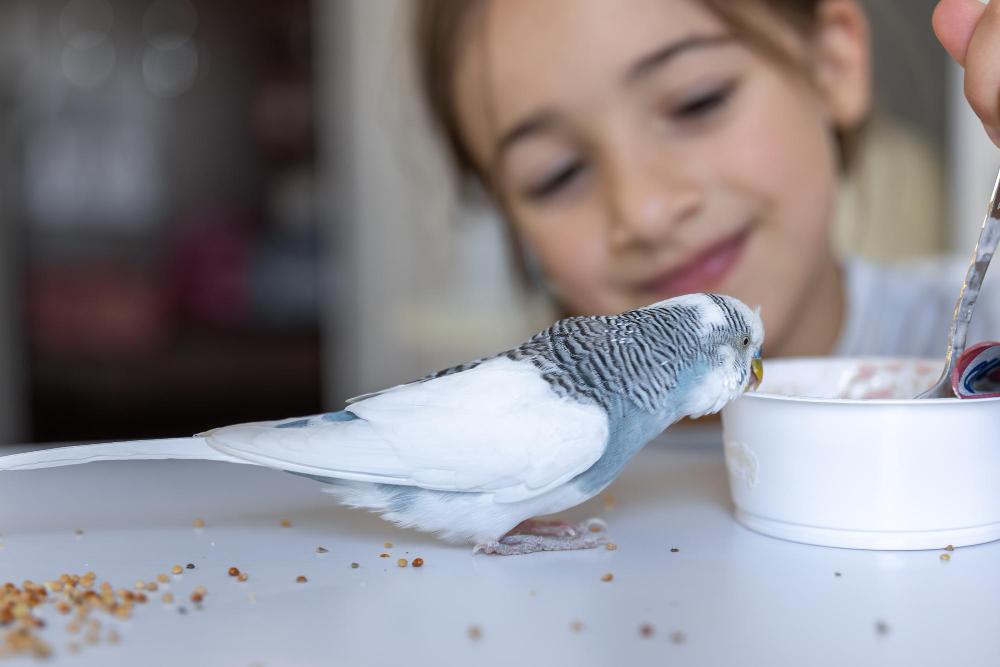
Amazon parrots are known for their vibrant personalities, intelligence, and strong bond with their owners. Keeping them healthy starts with one essential factor: a proper diet. Many bird owners assume seeds alone are enough, but that idea can lead to serious health issues over time. If you also keep smaller parrots, understanding lovebird care basics can help you build better feeding habits across different bird species.
Understanding the Nutritional Needs of Amazon Parrots
Amazon parrots require a mix of nutrients just like humans. Their diet should include vitamins, minerals, protein, and healthy fats. A poor diet often leads to obesity, vitamin deficiencies, or behavioral issues. Bird owners who explore a complete vasa parrot guide often notice similar nutritional needs across parrot species.
A healthy feeding plan includes:
- Fresh fruits and vegetables
- High-quality pellets
- Limited seeds and nuts
- Clean, fresh water daily
Each food group plays a specific role in maintaining your parrot’s health. Ignoring one can create an imbalance that affects overall well-being.
Core Components of a Healthy Diet
1. High-Quality Pellets
Pellets should form the base of your parrot’s daily meals. They are designed to provide balanced nutrition in every bite.
Pellets typically contain:
- Essential vitamins
- Minerals
- Protein sources
- Controlled fat levels
Around 50 to 60 percent of your parrot’s diet should come from pellets. Choose natural, dye-free options whenever possible.
2. Fresh Fruits
Fruits add natural sweetness and important nutrients to your bird’s diet. They are rich in antioxidants and vitamins.
Some safe fruit options include:
- Apples without seeds
- Bananas
- Mango
- Papaya
- Berries
Serve fruits in small portions since they contain natural sugars. Variety is key to keeping your parrot interested and nourished.
3. Fresh Vegetables
Vegetables are even more important than fruits because they are lower in sugar and packed with nutrients.
Great vegetable choices:
- Carrots
- Spinach
- Broccoli
- Bell peppers
- Green beans
Try offering a mix of raw and lightly steamed vegetables to see what your parrot prefers.
4. Seeds and Nuts in Moderation
Seeds are often loved by parrots, but they should only be a small part of the diet. Too many seeds can lead to obesity and liver problems.
Healthy options include:
- Sunflower seeds in limited quantity
- Pumpkin seeds
- Almonds and walnuts occasionally
Use seeds more as treats or rewards rather than a main meal.
Daily Feeding Routine at Home
Creating a consistent feeding routine helps your parrot stay healthy and reduces food waste. A strong routine is often discussed in any detailed amazon parrot care resource because consistency plays a key role in long-term health.
A simple daily plan:
- Morning: Fresh vegetables and pellets
- Afternoon: Fruits and small treats
- Evening: Pellets with limited seeds
Always remove uneaten fresh food after a few hours to prevent spoilage. Clean water should be available at all times.
Foods to Avoid Completely
Some foods can be harmful or even toxic to Amazon parrots. Knowing what to avoid is just as important as knowing what to include.
Never feed:
- Chocolate
- Avocado
- Caffeine
- Alcohol
- Onion and garlic
- Salty or fried foods
These items can cause serious health issues, even in small amounts.
Importance of Variety in Diet
Feeding the same food every day can lead to nutritional gaps and boredom. Amazon parrots enjoy exploring different tastes and textures.
Try rotating foods regularly:
- Change fruit combinations
- Introduce new vegetables
- Offer different pellet brands occasionally
This keeps meals exciting and ensures a wide range of nutrients.
Homemade Food Ideas for Amazon Parrots
Preparing food at home allows you to control quality and freshness. Simple homemade meals can greatly benefit your bird.
Some ideas include:
- Chopped vegetable mix with carrots and greens
- Cooked brown rice with vegetables
- Soft fruit salad
Avoid adding salt, oil, or spices. Keep everything natural and fresh.
Signs of a Healthy Diet
A properly fed Amazon parrot will show clear signs of good health.
Look for:
- Bright and smooth feathers
- Active and playful behavior
- Clear eyes
- Strong appetite
If your parrot appears dull, inactive, or overweight, the diet may need adjustment.
Common Feeding Mistakes to Avoid
Even caring owners can make small mistakes that impact their bird’s health.
Watch out for:
- Feeding only seeds
- Overfeeding fruits
- Ignoring portion sizes
- Not providing variety
Consistency and balance are the key factors in maintaining a proper diet.
Hydration Matters Too
Water plays a crucial role in digestion and overall health. Always provide clean, fresh water and change it daily.
You can also support hydration by offering water-rich foods like cucumbers and melons in moderation.
Frequently Asked Questions (FAQs)
1. What is the best diet for Amazon parrots at home?
A balanced diet includes pellets, fresh fruits, vegetables, and limited seeds. This mix supports energy, feather health, and long-term wellbeing.
2. How often should I feed my Amazon parrot?
Feed your parrot twice to three times a day in small portions while keeping fresh water available all the time.
3. Can Amazon parrots eat only seeds?
No, a seed-only diet is unhealthy. It can cause obesity and nutritional deficiencies. Always mix seeds with other healthy foods.
4. Which fruits are safe for Amazon parrots?
Safe fruits include apples (seedless), bananas, mango, papaya, and berries in moderation.
5. Why is variety important in a parrot’s diet?
Variety prevents boredom and ensures your parrot gets all essential nutrients for strong immunity and good behavior.
Conclusion
Providing the Best Diet Plan for Amazon Parrots at home does not require complicated steps. It comes down to balance, variety, and consistency. By combining pellets, fresh produce, and occasional treats, you can create a diet that supports both physical health and emotional well-being.
A well-fed parrot is not only healthier but also more active, social, and joyful. Paying attention to what goes into their bowl every day makes a lasting difference in their life.


