
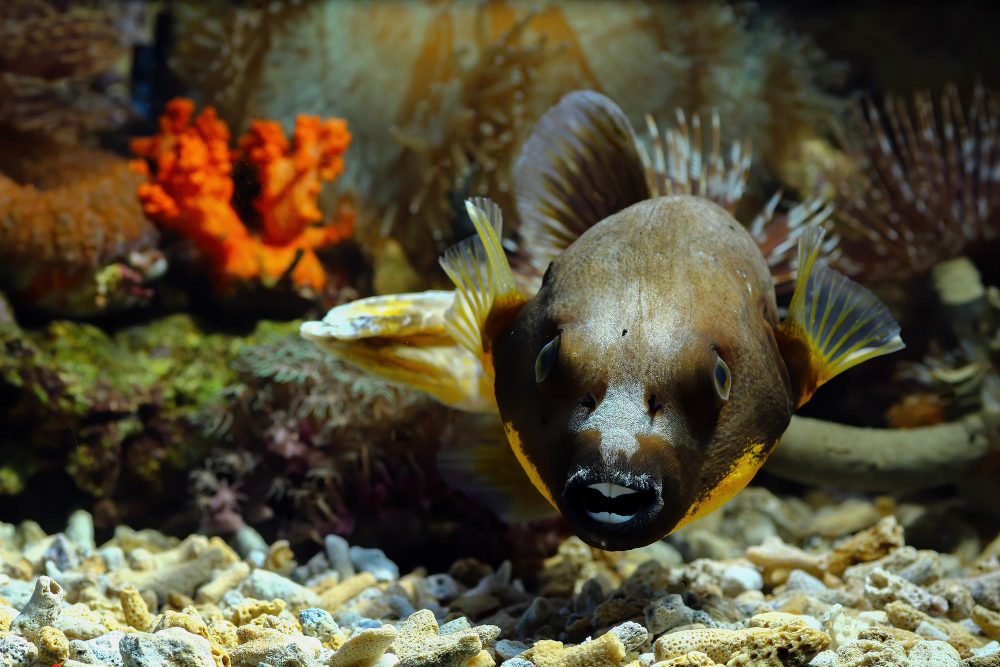
Axolotls are one of the most fascinating aquatic pets you can keep at home. Their smiling faces, feathery gills, and calm behavior make them a favorite among aquarium lovers. Unlike most amphibians, axolotls stay in their aquatic form for their entire lives, which gives them a truly unique appearance.
Many beginners choose axolotls because they are peaceful and interesting to watch. However, proper care is extremely important if you want your pet to stay healthy and active for years. This Axolotl beginner care guide explains everything in a simple and practical way, from tank setup to feeding routines.
Understanding Axolotls Before Bringing One Home
Axolotls are native to lakes in Mexico and prefer cool freshwater environments. They are sensitive animals, so stable water conditions matter more than fancy decorations or expensive equipment.
A healthy axolotl can live between 10 and 15 years with proper care. Their long lifespan means they are a long-term commitment rather than a temporary pet.
This Axolotl beginner care guide helps new owners avoid common mistakes that often lead to stress or illness. If you also explore other beginner-friendly aquarium species, you might come across guides like peaceful gourami care, which focus on similarly calm freshwater fish behavior.
Choosing the Right Tank Size
Tank size plays a major role in axolotl health. Small tanks become dirty quickly and make it harder to maintain safe water conditions.
A single adult axolotl needs at least a 20-gallon tank. If you plan to keep more than one, extra space is necessary.
Recommended Tank Setup
- 20-gallon long tank for one axolotl
- 30 to 40 gallons for two axolotls
- Wide floor space is better than tall tanks
- Secure the lid to prevent accidental jumps
Axolotls spend most of their time walking along the bottom, so horizontal swimming space is more important than height.
Ideal Water Conditions for Axolotls
Water quality is the foundation of every successful Axolotl beginner care guide. Axolotls are highly sensitive to poor water conditions and sudden temperature changes.
Recommended Water Parameters
- Temperature: 60°F to 68°F
- pH Level: 6.5 to 8.0
- Ammonia: 0 ppm
- Nitrite: 0 ppm
- Nitrate: below 20 ppm
Warm water can stress axolotls and increase the risk of disease. During hot weather, aquarium cooling fans or chillers may help maintain safe temperatures.
Testing the water weekly is one of the best habits for beginner owners.
Best Substrate for an Axolotl Tank
Substrate choice is often overlooked, but it directly affects axolotl safety.
Young axolotls should stay in a bare-bottom tank because they may accidentally swallow gravel or stones. Adult axolotls can safely live on fine aquarium sand.
Avoid These Substrates
- Small gravel
- Sharp stones
- Decorative glass pebbles
Swallowed gravel can cause serious internal blockages.
This Axolotl beginner care guide strongly recommends fine sand or a bare-bottom setup for safety.
Filtration and Water Flow
Axolotls dislike strong water movement. Powerful filters create stress and may cause curled gills or reduced appetite.
Sponge filters are one of the best options for beginners because they provide gentle filtration and help maintain stable water quality.
A Good Filtration System Should
- Keep water clean
- Create a low water flow
- Support beneficial bacteria
- Reduce ammonia buildup
Always cycle the aquarium before adding your axolotl. Cycling establishes healthy bacteria that remove harmful toxins from the water.
Tank Decorations and Hiding Spots
Axolotls enjoy quiet spaces where they can rest during the day. Adding hiding spots makes them feel secure and reduces stress.
Safe Decoration Ideas
- PVC pipes
- Aquarium caves
- Smooth driftwood
- Soft live or artificial plants
Avoid sharp decorations because axolotls have delicate skin that can easily be torn.
Low lighting also works best since axolotls are sensitive to bright lights. Aquarium hobbyists who enjoy other beginner fish setups often explore guides like the colorful guppy guide to learn about vibrant yet easy-to-care-for species.
What Do Axolotls Eat?
Feeding is one of the most important parts of any Axolotl beginner care guide. Axolotls are carnivores and require protein rich foods.
Best Foods for Axolotls
- Earthworms
- Axolotl pellets
- Bloodworms
- Blackworms
- Small shrimp pieces
Earthworms are considered the healthiest staple food because they provide balanced nutrition and are easy to digest.
Feeding Schedule
- Juveniles: once daily
- Adults: every 2 to 3 days
Feeding Tips for Beginners
Proper feeding habits help maintain both water quality and axolotl health.
Useful Feeding Tips
- Remove leftover food after feeding
- Use tongs for better control
- Watch for appetite changes
- Avoid feeder fish from pet stores
A healthy axolotl should have a body width similar to its head size. This is a simple visual check beginners can use.
Can Axolotls Live With Other Fish?
Axolotls are best kept alone. Many fish may nip at their delicate gills, while axolotls might try to eat smaller tank mates.
Even peaceful fish can cause stress. For example, fish keepers who prefer independent aquatic pets often also read about betta fish essentials, since bettas also do best in single-species setups.
A single-species tank is always the safest choice for axolotls.
Common Axolotl Health Problems
Healthy axolotls are active during feeding time and have fluffy external gills. Any sudden behavior change should be monitored carefully.
Signs of Illness
- Loss of appetite
- Curled gills
- Pale skin
- Floating abnormally
- Fungus growth
- Weight loss
Poor water quality is the main cause of most health problems. This Axolotl beginner care guide recommends regular maintenance to avoid such issues.
Cleaning and Maintenance Routine
Axolotl tanks require simple but consistent care.
Weekly Maintenance Checklist
- Test water parameters
- Remove waste and uneaten food
- Perform a partial water change (20 to 30 percent)
- Clean the filter gently
- Check temperature
Never replace all the water at once because it removes beneficial bacteria and shocks the aquarium system.
Beginner Mistakes to Avoid
Many new owners face problems due to simple mistakes.
Common Mistakes
- Keeping warm water
- Using a gravel substrate
- Overfeeding
- Skipping tank cycling
- Using strong filters
- Placing the tank in direct sunlight
This Axolotl beginner care guide focuses on prevention because small mistakes can quickly affect long term health.
Why Axolotls Make Unique Pets
Axolotls are peaceful, quiet, and surprisingly interactive. They often recognize feeding routines and may approach the glass when they see their owner.
Their unusual appearance and calm behavior make them different from traditional aquarium fish. They offer a relaxing experience for both beginners and experienced hobbyists.
With proper care, axolotls can live for many years and become one of the most rewarding aquatic pets.
Conclusion
Keeping an axolotl healthy depends on stable water conditions, proper tank setup, and consistent care. Once the aquarium is properly established, maintenance becomes simple and manageable.
This Axolotl beginner care guide shows that success comes from patience and attention to detail. A well-maintained tank, balanced diet, and stress-free environment ensure your axolotl lives a long and healthy life.


