
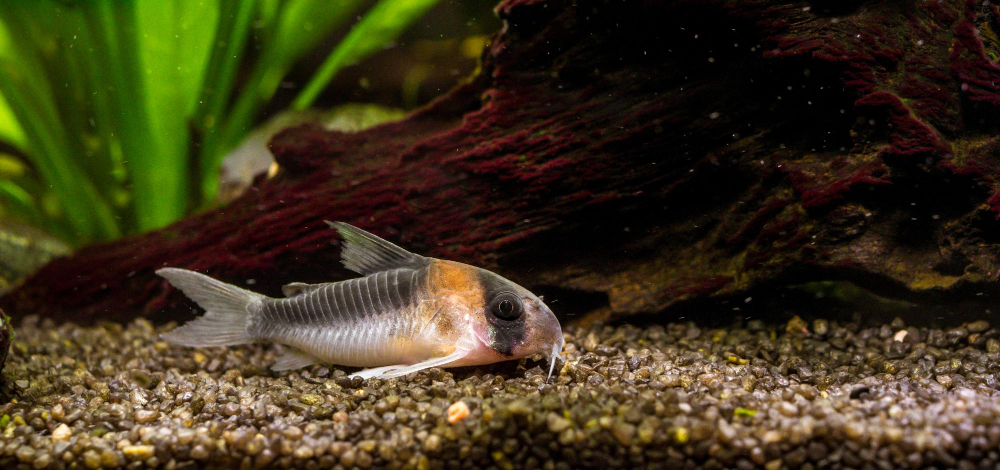
Oscar fish are among the most intelligent and entertaining freshwater fish you can keep in a home aquarium. Their bold personality, large size, and interactive nature make them a favorite for fishkeepers who want more than just a colorful tank. Unlike many aquarium fish that simply swim around quietly, Oscars recognize their owners, react during feeding time, and often develop unique personalities.
This Oscar fish tank and behavior guide explains everything needed to keep these fascinating fish healthy and comfortable. From tank setup and feeding habits to aggression and maintenance, understanding their needs helps create a stable environment where Oscars can thrive for years.
Understanding Oscar Fish Behavior
Oscar fish belong to the cichlid family and originate from the slow-moving rivers and floodplains of South America. In aquariums, they quickly become the center of attention because of their active and curious behavior.
One reason this Oscar fish tank and behavior guide is important is that Oscars behave very differently compared to smaller community fish. Fishkeepers who enjoy peaceful tetra care often notice how much more interactive and territorial Oscars can become inside larger aquariums.
Common Oscar fish behaviors include:
- Following people outside the tank
- Rearranging gravel and decorations
- Digging around plants
- Begging for food
- Showing aggression toward smaller fish
Many owners compare Oscars to underwater pets rather than ordinary fish because they interact so much with their environment.
Best Tank Size for Oscar Fish
Tank size is one of the most important parts of Oscar fish care. Oscars grow quickly and can reach up to 12 to 14 inches in length. Keeping them in a small aquarium causes stress, poor growth, and aggressive behavior.
A single Oscar fish should have at least a 75-gallon tank. A pair usually requires 100 to 125 gallons, depending on filtration and decorations.
Recommended tank setup:
| Tank Requirement | Recommendation |
|---|---|
| Minimum tank size | 75 gallons |
| Water temperature | 74°F to 81°F |
| pH level | 6.5 to 7.5 |
| Filtration | Strong canister filter |
| Substrate | Soft gravel or sand |
A larger tank improves swimming space and helps reduce territorial aggression. This is why every reliable Oscar fish tank and behavior guide emphasizes spacious aquariums.
Creating the Ideal Oscar Fish Tank Setup
Oscars need a clean and stable environment. Since they produce a large amount of waste, strong filtration is necessary to maintain healthy water quality.
When setting up the aquarium:
- Use heavy decorations because Oscars move lightweight items
- Leave open swimming space in the center
- Avoid delicate plants because Oscars may uproot them
- Install strong filtration for better oxygen flow
- Perform regular water changes every week
Oscars enjoy exploring their surroundings, so caves, driftwood, and rocks help create a more natural environment.
Lighting should remain moderate because extremely bright lights may stress the fish. Aquarists interested in saltwater species sometimes read a marine tang guide before moving from freshwater tanks to larger ocean setups.
Oscar Fish Diet and Feeding Habits
Feeding is another major topic covered in this Oscar fish tank and behavior guide because Oscars have large appetites and require balanced nutrition.
Oscar fish are omnivores. In the wild, they eat insects, crustaceans, smaller fish, and plant material. In aquariums, a varied diet supports healthy growth and vibrant coloration.
Good food options include:
- High quality cichlid pellets
- Frozen shrimp
- Bloodworms
- Earthworms
- Small pieces of fish
- Occasional vegetables like peas
Adult Oscars usually eat once or twice daily. Overfeeding should be avoided because leftover food quickly pollutes the tank.
Many beginners make the mistake of feeding feeder fish regularly. This can introduce diseases and parasites into the aquarium. Most experienced fishkeepers recommend high quality pellets and frozen foods instead.
Oscar Fish Personality and Intelligence
One reason Oscars remain popular is their unique personality. Some Oscars become calm and friendly while others act territorial and stubborn.
This Oscar fish tank and behavior guide would not be complete without discussing their intelligence. Oscars can recognize feeding schedules, identify familiar people, and even learn simple routines.
Some owners notice their Oscars:
- Splashing water during feeding time
- Hiding when strangers approach
- Becoming excited near the glass
- Reacting to movement outside the aquarium
Their intelligence makes them one of the most engaging freshwater fish species available. Many aquarium hobbyists who research popular fish species eventually become interested in keeping Oscars because of their playful nature.
Can Oscar Fish Live with Other Fish?
Oscar fish can live with tank mates, but compatibility depends on tank size and fish temperament.
Because Oscars are large and territorial, smaller fish often become targets. Slow moving or delicate species also struggle in Oscar tanks.
Suitable tank mates may include:
- Silver dollars
- Severum cichlids
- Jack Dempseys
- Large plecos
- Firemouth cichlids
Avoid keeping Oscars with tiny tetras, guppies, or peaceful nano fish.
This Oscar fish tank and behavior guide recommends monitoring aggression carefully when introducing new tank mates. Every Oscar behaves differently, and some become more territorial with age.
Common Oscar Fish Health Problems
Healthy Oscars are active, alert, and responsive. Poor water conditions usually cause most health problems.
Common Oscar fish illnesses include:
Hole in the Head Disease
This condition causes pits around the fish’s head and lateral line. Poor diet and bad water quality often contribute to the problem.
Ich
Ich appears as tiny white spots on the body and fins. It commonly develops due to stress or sudden temperature changes.
Fin Damage
Aggressive encounters or poor water quality may damage fins.
Prevention is always easier than treatment. Clean water, balanced feeding, and proper tank maintenance reduce most health risks.
Water Quality and Tank Maintenance
Oscar fish require stable water conditions to remain healthy. Since they produce heavy waste, maintenance plays a huge role in long-term care.
Important maintenance tasks include:
- Weekly water changes of 25 to 30 percent
- Cleaning filter media regularly
- Removing leftover food
- Checking ammonia and nitrate levels
- Monitoring water temperature
A neglected tank quickly develops harmful toxins that stress Oscars and increase aggression.
This Oscar fish tank and behavior guide strongly recommends investing in a reliable filtration system because water quality directly affects fish health.
How Long Do Oscar Fish Live?
With proper care, Oscar fish can live between 10 and 15 years. Some even survive longer in well maintained aquariums.
Their lifespan depends on:
- Tank size
- Water quality
- Nutrition
- Stress levels
- Disease prevention
Keeping an Oscar is a long-term commitment, but many fishkeepers find the experience rewarding because of their interactive personality.
Are Oscar Fish Good for Beginners?
Oscars are not the easiest fish for complete beginners, but dedicated owners can successfully care for them with proper research.
Their large size, waste production, and territorial behavior require attention and consistent maintenance. However, many hobbyists consider them worth the effort because of their intelligence and strong personality.
This Oscar fish tank and behavior guide helps beginners understand what to expect before bringing one home.
Conclusion
Oscar fish bring energy, intelligence, and personality into freshwater aquariums. Their playful behavior and strong interaction with owners make them one of the most rewarding fish species to keep.
Providing enough swimming space, maintaining clean water, and feeding a balanced diet are the keys to healthy Oscar fish care. Understanding their territorial nature also helps reduce stress and aggression inside the tank.
For fishkeepers looking for a large freshwater species with character and presence, Oscars remain one of the best choices available today.


