
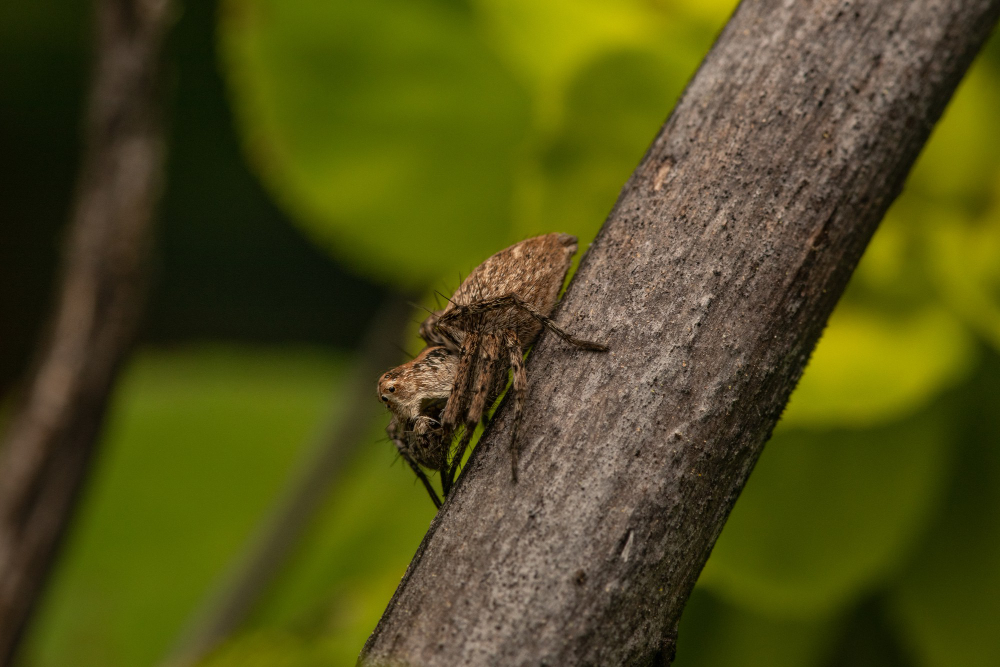
Stick insects are quiet, fascinating pets that are easy to care for when their basic needs are met. Many owners become worried when they notice their pet suddenly refusing food. A stick insect that stops eating can look weak, inactive, or remain in the same spot for hours. In most cases, the problem is temporary and linked to natural behavior or environmental conditions.
Understanding the reason behind the appetite change helps prevent stress and keeps your insect healthy. Small adjustments in temperature, humidity, food quality, or enclosure setup can often solve the issue quickly.
Stick Insects Naturally Eat Less at Certain Times
One of the most common reasons a stick insect stops eating is the molting process. Molting happens when the insect sheds its old exoskeleton to grow larger. During this stage, stick insects usually lose interest in food for several days.
Common signs of molting include:
- Hanging upside down for long periods
- Staying very still
- Reduced movement around the enclosure
- Pale or dull body color
- Refusing fresh leaves
This behavior is completely normal. Handling a stick insect during molting can cause injuries or failed molts. Keeping the enclosure calm and humid helps the insect complete the process safely.
Young nymphs molt more frequently than adults, so appetite changes are more common in younger stick insects. Some insect owners who enjoy reading about tiger moth defense mechanisms are often surprised to learn that stick insects also rely heavily on camouflage for survival.
Incorrect Food Leaves Can Cause Feeding Problems
Stick insects are selective eaters. Many species only accept certain leaves. Owners often assume any green leaf is safe, but some leaves are rejected because they are too dry, old, or unfamiliar.
Popular food choices include:
- Bramble leaves
- Raspberry leaves
- Oak leaves
- Rose leaves
- Eucalyptus leaves for some species
Freshness matters a lot. Wilted or dusty leaves can make a stick insect ignore food completely. Washing leaves with clean water removes pesticides and dirt that may harm your insect.
Changing the food source suddenly can also confuse the insect. Introducing new leaves gradually usually works better.
Temperature Affects Appetite
Stick insects depend on external temperatures to regulate their body functions. If the enclosure becomes too cold, digestion slows down and feeding decreases.
Most stick insect species thrive between 22°C and 26°C. Cooler temperatures may lead to:
- Reduced appetite
- Slower movement
- Longer molting cycles
- Weak activity levels
Direct sunlight should be avoided because overheating is dangerous. A stable room temperature works best for most beginner species.
During colder months, appetite naturally decreases slightly. This seasonal behavior is common among captive stick insects.
Low Humidity Creates Stress
Humidity plays a major role in stick insect health. Dry air can make it difficult for the insect to stay hydrated and molt properly. A stressed stick insect often stops eating before showing other symptoms.
Signs of low humidity include:
- Curled legs
- Dry appearance
- Trouble climbing surfaces
- Failed molts
Light misting once or twice daily helps maintain proper moisture levels inside the enclosure. Ventilation is equally important because excessive moisture can encourage mold growth.
Different species require different humidity levels, so researching the exact species is always recommended.
Stress Can Reduce Feeding Behavior
Stick insects are sensitive creatures. Frequent handling, vibrations, loud sounds, or sudden enclosure changes can cause stress. A stressed insect may remain frozen for hours and ignore nearby food.
Stress commonly happens after:
- Moving to a new enclosure
- Transportation
- Excessive handling
- Cleaning the habitat too often
- Introducing another insect suddenly
Stick insects feel safest in quiet environments with plenty of climbing branches and hiding spots. Giving them time to settle usually restores normal eating habits.
Nighttime Feeding Is Normal
Many new owners believe their stick insect is not eating because they never witness feeding during the day. In reality, stick insects are mostly nocturnal. They become active at night and rest during daylight hours.
Checking the leaves in the morning often reveals bite marks or missing edges. This confirms the insect is feeding normally.
Using a dim light at night can help owners observe natural feeding behavior without disturbing the insect too much. Nature enthusiasts who enjoy reading unusual insect stories, including reports about a massive bee colony, are often fascinated by how active many insects become after sunset.
Dehydration Can Cause Appetite Loss
Stick insects receive most of their moisture from leaves, but they still need proper hydration. Dry conditions can quickly weaken them.
Misting leaves lightly provides small water droplets that insects can drink safely. Deep water dishes should be avoided because tiny insects can drown easily.
A dehydrated stick insect may show:
- Weak grip strength
- Wrinkled appearance
- Low activity
- Refusal to climb
Fresh food and regular misting usually improve hydration naturally.
Old Age May Reduce Eating
Adult stick insects have relatively short lifespans. Depending on the species, many live only one year. Older insects naturally become less active and eat smaller amounts as they approach the end of their life cycle.
Signs of aging include:
- Slow climbing
- Faded coloration
- Reduced appetite
- Less movement at night
This process is normal and cannot be prevented. Providing a peaceful enclosure helps older insects remain comfortable.
Illness and Poor Enclosure Conditions
Sometimes appetite loss is linked to unhealthy enclosure conditions. Dirty habitats allow bacteria and mold to grow, which may affect the insect’s health.
Problems inside poorly maintained enclosures include:
- Moldy substrate
- Poor airflow
- Rotten leaves
- Excess waste buildup
Cleaning the enclosure regularly helps maintain healthy conditions. Replacing old leaves daily also prevents bacterial growth.
A sick stick insect may appear weak, unable to grip surfaces properly, or remain on the enclosure floor for long periods. Readers interested in arctia caja facts may also appreciate learning how different insects react to environmental stress in captivity.
Simple Ways to Encourage Eating
Several small adjustments can encourage a stick insect to start feeding again.
Helpful steps include:
- Offer freshly cut leaves daily
- Mist the enclosure lightly
- Maintain stable temperatures
- Reduce unnecessary handling
- Keep the habitat quiet
- Remove old or dry food
- Improve airflow and cleanliness
Patience is important because stick insects often resume eating naturally after environmental conditions improve.
When to Be Concerned
A healthy stick insect can occasionally skip meals without serious danger. However, prolonged refusal to eat combined with weakness or repeated falls may indicate a larger problem.
Owners should monitor:
- Weight loss
- Severe inactivity
- Failed molts
- Blackened limbs
- Difficulty climbing
Researching species-specific care requirements helps prevent many common feeding problems before they begin.
Conclusion
A stick insect refusing food is usually linked to molting, stress, incorrect food, or environmental conditions. Most feeding problems can be solved by improving humidity, offering fresh leaves, and maintaining a calm enclosure.
These insects rely heavily on stable care routines. Small changes in temperature, food quality, or habitat cleanliness can greatly affect their behavior. Careful observation allows owners to understand what their pet needs and respond before minor issues become serious.
With proper care, stick insects remain fascinating and low-maintenance pets that display unique behaviors and natural camouflage rarely seen in other exotic pets.