
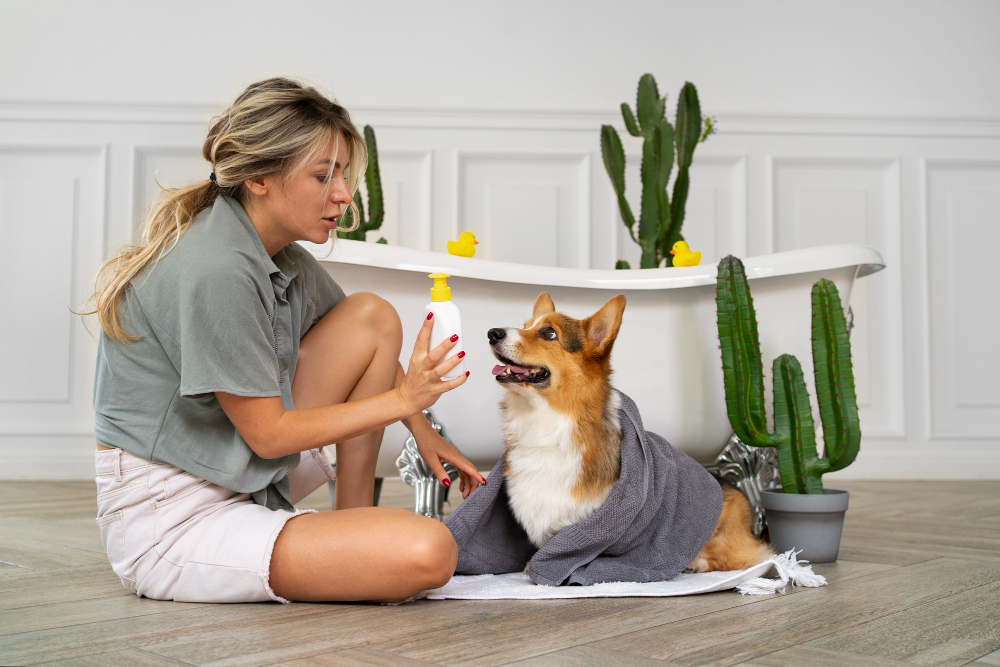
Caring for a pet is one of the most rewarding experiences in life. Whether you share your home with a playful dog, a curious cat, or even a reptile or bird, every pet depends on you for love, safety, and proper care. Many pet owners want the best for their animals but often feel unsure about what truly makes a pet healthy and happy.
The good news is that great pet care does not have to be complicated. With a few simple habits and a better understanding of your pet’s needs, you can improve their quality of life and strengthen your bond at the same time.
In this guide, we will walk through practical and proven pet care tips that help your animal stay healthy, active, and content.
Understand Your Pet’s Basic Needs
Every animal has unique needs, but all pets require a few essentials to thrive. These include proper nutrition, a clean environment, regular exercise, and emotional care.
Understanding your pet’s natural behavior is the first step. Dogs need social interaction and outdoor activity, while cats enjoy independence and mental stimulation. Birds require attention and space to move, and reptiles need carefully controlled habitats. If you own reptiles, learning about their routines through guides like Leopard Gecko Daily Life can help you better understand their natural patterns and needs.
When you meet these basic needs consistently, your pet feels safe and secure. This creates a strong foundation for long term health.
Provide Balanced and Nutritious Food
One of the most important aspects of pet care is nutrition. A healthy diet supports your pet’s growth, energy levels, and immune system.
Choose high quality food that suits your pet’s species, age, and size. Avoid overfeeding, as obesity is a common issue among pets. Fresh water should always be available and changed daily.
It is also helpful to understand feeding routines. Some pets do well with scheduled meals, while others prefer smaller portions throughout the day. Paying attention to your pet’s eating habits can help you spot early signs of health problems.
Maintain Proper Hygiene and Grooming
Cleanliness plays a major role in keeping pets healthy. Regular grooming not only improves appearance but also prevents infections and skin issues.
Brushing your pet helps remove dirt and loose hair while promoting healthy skin. Bathing should be done as needed, depending on the type of pet. Nail trimming, ear cleaning, and dental care are also essential parts of a grooming routine.
When grooming becomes a regular habit, your pet will feel more comfortable, and you will notice any unusual changes more quickly.
Create a Safe and Comfortable Environment
Your home should be a place where your pet feels protected and relaxed. A safe environment reduces stress and prevents accidents.
Remove harmful objects, secure wires, and keep toxic substances out of reach. Provide a dedicated space where your pet can rest peacefully. This could be a cozy bed for a dog or a quiet corner for a cat.
For pets like reptiles or fish, maintaining the correct temperature and habitat conditions is essential. A well prepared environment supports both physical and emotional wellbeing. You can also explore detailed care requirements in resources like Leopard Gecko Care Basics to ensure proper habitat setup.
Encourage Daily Exercise and Activity
Physical activity is vital for maintaining a healthy weight and preventing boredom. Active pets are less likely to develop behavioral problems.
Dogs benefit from regular walks and playtime. Cats enjoy interactive toys that stimulate their hunting instincts. Even small animals and birds need opportunities to move and explore.
Exercise also strengthens your bond with your pet. Spending time together through play builds trust and keeps your pet mentally engaged.
Focus on Mental Stimulation
Mental health is just as important as physical health. Pets can become bored or anxious if they do not receive enough stimulation.
Introduce toys, puzzles, or training sessions to keep your pet’s mind active. Teaching new tricks or commands can be both fun and rewarding. Learning interesting details from articles like Pet Reptile Facts Guide can also give you new ideas to enrich your pet’s daily routine.
Simple changes like rotating toys or creating new play routines can make a big difference in your pet’s mood and behavior.
Regular Veterinary Checkups
Routine visits to a veterinarian are essential for early detection of health issues. Even if your pet appears healthy, regular checkups help ensure everything is on track.
Vaccinations, parasite control, and dental checkups should not be overlooked. Preventive care can save you from costly treatments later and keep your pet comfortable.
Pay attention to changes in behavior, appetite, or energy levels. These can be early signs that something is not right.
Build a Strong Emotional Connection
Pets are emotional beings that thrive on attention and affection. Spending quality time with your pet helps build trust and strengthens your relationship.
Simple actions like talking to your pet, petting them, or sitting together quietly can have a positive impact. Animals respond to love and consistency, and they often reflect the care they receive.
A strong emotional bond also makes training easier and improves your pet’s overall happiness.
Practice Responsible Pet Ownership
Being a responsible pet owner means committing to your pet’s wellbeing every day. This includes proper training, identification, and long term care planning.
Training helps your pet understand boundaries and reduces unwanted behavior. Identification tags or microchips increase the chances of being reunited if your pet gets lost.
Responsible ownership also means staying informed about your pet’s needs and making decisions that support their health and safety.
Recognize Signs of a Healthy Pet
A healthy pet usually shows clear signs such as a shiny coat, bright eyes, good appetite, and consistent energy levels.
On the other hand, warning signs like sudden weight loss, lack of interest in food, or unusual behavior should not be ignored. Acting quickly can prevent small issues from becoming serious problems.
Observing your pet daily helps you understand what is normal for them and what needs attention.
Conclusion
Caring for a pet goes beyond providing food and shelter. It involves understanding their needs, creating a safe environment, and offering consistent love and attention.
When you focus on proper nutrition, hygiene, exercise, and emotional care, your pet will not only live longer but also enjoy a better quality of life. Small daily efforts can make a big difference.
Your pet depends on you, and in return, they offer companionship, loyalty, and joy. With the right care, you can ensure that your furry, feathered, or scaly friend stays healthy and happy for years to come.


