
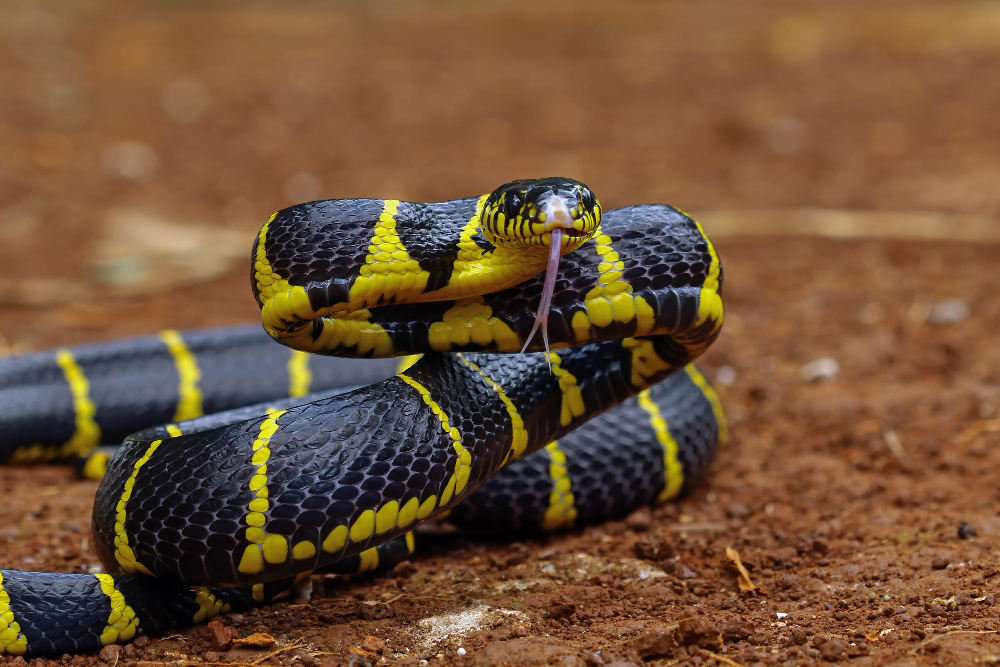
Thinking about getting your first pet reptile? The corn snake is a docile, non-venomous pet beloved for its vibrant colors and manageable size making it perfect for beginner and expert reptile keepers. Their peaceful nature and simple maintenance make them a true joy to raise at home.
However, keeping your pet healthy requires the right setup from day one. In this corn snake care guide, you will learn everything you need to know about enclosure setups, proper heating, feeding schedules, and daily maintenance so you can raise a happy, thriving snake with confidence.
Why Corn Snakes Make Great Pets
Corn snakes are known for their gentle temperament and adaptability. They rarely show aggression and are easy to handle, which makes them ideal for beginners.
Another reason they are popular is their manageable size. Most corn snakes grow between 3 to 5 feet long, which is comfortable for most owners. They also come in a wide range of colors and patterns, making them visually appealing.
Because of their calm behavior and simple needs, many people choose them as their first reptile pet. If you are exploring other beginner friendly reptiles, guides like Ball Python Care Tips can also help you compare similar species.
Corn Snake Habitat Setup
Creating the right environment is one of the most important parts of this Corn Snake Care Guide. A proper habitat keeps your snake comfortable and reduces stress.
A glass or plastic enclosure with a secure lid works best. Corn snakes are known to escape, so make sure the tank is tightly closed.
The enclosure should include:
- A hiding spot for security
- A water bowl large enough for soaking
- Substrate such as aspen bedding or reptile carpet
- Branches or decorations for enrichment
Temperature is very important. Keep one side of the tank warm and the other cooler to allow your snake to regulate its body temperature. Similar habitat planning is also important when reading a Bearded Dragon Care Guide, especially when managing heat and lighting.
Temperature and Humidity Requirements
Corn snakes need a controlled environment to stay healthy. The warm side of the enclosure should be around 29 to 32 degrees Celsius, while the cooler side should be around 24 to 26 degrees.
Humidity should stay moderate. Too much moisture can cause respiratory issues, while too little can affect shedding.
Using a thermometer and humidity gauge helps you maintain the correct conditions. This small step can prevent many common health problems.
Corn Snake Diet and Feeding Guide
Feeding is a key part of this Corn Snake Care Guide. Corn snakes are carnivores, and their diet mainly consists of mice.
Young snakes usually eat small mice, while adults can handle larger prey. Feeding pre killed or frozen thawed mice is the safest option.
Feeding frequency depends on age:
- Hatchlings should eat every 5 to 7 days
- Juveniles every 7 to 10 days
- Adults every 10 to 14 days
Always provide fresh water, and avoid handling your snake right after feeding.
Handling and Behavior
Understanding behavior is an important part of the Corn Snake Care Guide. Corn snakes are generally calm, but they may feel nervous in a new environment.
Give your snake time to adjust before handling. Start with short sessions and handle gently. Support the body and avoid sudden movements.
With regular interaction, your snake will become more comfortable and easier to handle. This helps build trust between you and your pet.
Shedding Process
Shedding is a natural part of a snake’s life. During this time, your corn snake may appear dull and less active.
Make sure humidity levels are correct to support a smooth shedding process. You can also provide a moist hide to help your snake.
Avoid handling during shedding, as your snake may feel stressed. Once the shedding is complete, your snake will return to normal behavior.
Common Health Issues
Even with proper care, snakes can face health problems. This Corn Snake Care Guide includes basic signs to watch for.
Common issues include:
- Poor shedding
- Loss of appetite
- Respiratory infections
- Mites or parasites
If you notice unusual behavior or physical changes, consult a reptile veterinarian. Early treatment is always better. For larger reptile species, health considerations may differ, which you can explore in a detailed Monitor Lizard Care Guide.
Cleaning and Maintenance
Keeping the enclosure clean is essential for your snake’s health. Spot clean waste regularly and replace bedding when needed.
Deep cleaning should be done every few weeks. Clean water bowls daily to prevent bacteria buildup.
A clean habitat reduces the risk of infections and keeps your pet comfortable.
Lifespan and Long Term Care
Corn snakes can live for 15 to 20 years with proper care. This makes them a long term commitment.
Consistent feeding, proper habitat, and regular monitoring all contribute to a longer life. Owners who follow a proper Corn Snake Care Guide often enjoy many years with their pet.
Tips for Beginners
If you are new to reptiles, start simple. Focus on maintaining the correct habitat and feeding schedule.
Avoid overhandling your snake in the beginning. Give it time to adjust to its new environment.
Learning from reliable sources and observing your pet daily will help you become a confident owner.
Conclusion
Corn Snake Care Guide helps you understand how to provide the best life for your pet. With proper diet, a well maintained habitat, and regular care, corn snakes can thrive in captivity.
They are calm, easy to care for, and perfect for beginners. By following these simple tips, you can ensure your corn snake stays healthy and comfortable.
Owning a corn snake is not just about keeping a pet. It is about building a connection with a fascinating and unique animal.
FAQS
1. How to take care of a corn snake for beginners
Taking care of a corn snake is simple if you follow basic steps. Provide a secure enclosure, maintain proper temperature and humidity, and feed it regularly with the right size prey. Beginners should focus on consistency and avoid overhandling in the first few days.
2. What do corn snakes eat and how often should you feed them
Corn snakes eat mice as their primary food source. Young snakes should be fed every 5 to 7 days, while adult snakes can be fed every 10 to 14 days. Always use pre killed or frozen thawed mice for safety.
3. Are corn snakes good pets for beginners
Yes, corn snakes are one of the best pet reptiles for beginners. They are calm, easy to handle, and require simple care compared to many other reptiles.
4. What size tank does a corn snake need
An adult corn snake usually needs a 20 gallon or larger enclosure. The tank should be secure, well ventilated, and include hiding spots, water, and proper substrate.
5. How long do corn snakes live
With proper care, corn snakes can live between 15 to 20 years. Good diet, clean habitat, and regular monitoring all help extend their lifespan.


